
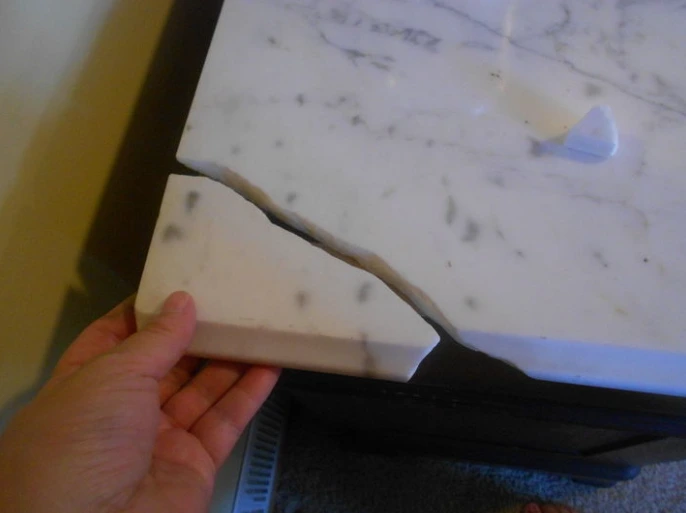
Marble installations often fail due to poor preparation, low-quality materials, incorrect installation methods, and lack of proper maintenance. While marble is a durable and luxurious material, it requires precise installation techniques and proper care to perform well long-term.
On average, marble installation failures can lead to issues like cracking, lifting, staining, uneven surfaces, and costly repairs ranging from $200 to $5,000+, depending on the damage. Working with a professional flooring company like Cyndi’s Floors N More helps homeowners avoid these issues through proper surface preparation, expert installation, and long-term maintenance guidance.
This guide explains why marble installations fail, the most common causes, warning signs, and how to prevent costly mistakes before and after installation.
Marble is widely used in flooring, bathrooms, kitchens, and luxury interiors, but its performance depends heavily on how well it is installed and maintained.
What Is Marble Installation Failure?
Marble installation failure refers to any issue that causes marble surfaces to become damaged, unstable, or visually defective after installation.
This includes:
- Cracking or breaking tiles
- Loose or hollow-sounding flooring
- Uneven or sinking surfaces
- Staining and discoloration
- Water damage or moisture issues
- Lifting or separating tiles
Failure can happen immediately after installation or gradually over time due to improper installation practices.
What Is Marble Installation?
Marble installation is the process of placing and securing natural marble stone onto floors, walls, or countertops using specialized adhesives, leveling systems, and sealing techniques.
It requires:
- Surface preparation
- Accurate cutting and fitting
- Proper adhesive application
- Grouting and sealing
- Final polishing and inspection
Because marble is a natural stone, even small installation mistakes can lead to long-term damage.
Why Marble Installation Matters
Proper marble installation is important because it directly affects durability, safety, and appearance.
Correct installation ensures:
- Strong bonding between marble and subfloor
- Smooth and level surface finish
- Resistance to cracks and shifting
- Protection against moisture damage
- Long-lasting luxury appearance
In high-end homes, installation quality determines whether marble lasts decades or fails within a few years.
Why Some Marble Installations Fail
Marble installations fail due to a combination of technical mistakes, poor materials, and environmental conditions. Even high-quality marble can fail if installation steps are not followed properly.
The most common reasons include improper subfloor preparation, incorrect adhesive use, lack of sealing, and exposure to moisture.
Each of these issues weakens the structure and reduces the lifespan of the installation.
1. Poor Subfloor Preparation
One of the leading causes of marble failure is an unprepared or unstable subfloor.
What goes wrong:
- Uneven or cracked concrete base
- Dirt, dust, or moisture under the surface
- Weak leveling before installation
Result:
Marble becomes uneven, cracks appear, or tiles shift over time.
How to prevent it:
A professional installer ensures the subfloor is fully cleaned, leveled, and reinforced before installation begins.
2. Low-Quality Adhesive or Incorrect Installation Method
Marble requires strong, stone-specific adhesives and precise installation techniques.
What goes wrong:
- Using cheap tile glue
- Uneven adhesive spread
- Incorrect spacing between tiles
Result:
Loose tiles, hollow sounds, and long-term bonding failure.
How to prevent it:
Use high-quality stone adhesive and proper installation patterns to ensure full surface bonding.
3. Lack of Proper Sealing
Marble is naturally porous and absorbs liquids easily.
What goes wrong:
- Skipping sealing after installation
- Using weak or low-grade sealants
- Not resealing over time
Result:
Stains, discoloration, and permanent surface damage.
How to prevent it:
Apply a professional-grade sealant immediately after installation and reseal every 1–2 years.
4. Incorrect Handling During Installation
Marble is fragile during cutting and installation.
What goes wrong:
- Rough transport or handling
- Improper cutting tools
- Lack of skilled labor
Result:
Hairline cracks, chipped edges, and weak structural points.
How to prevent it:
Hire experienced installers like Cyndi’s Floors N More who specialize in natural stone handling.
5. Moisture and Environmental Damage
Moisture is one of the biggest threats to marble durability.
What goes wrong:
- No waterproof barrier installed
- Installation in high-humidity areas without protection
- Lack of expansion joints
Result:
Warping, lifting, and long-term weakening of marble tiles.
How to prevent it:
Proper waterproofing, ventilation, and expansion gaps must be included during installation.
6. Poor Maintenance After Installation
Even perfect installations can fail without proper care.
What goes wrong:
- Using acidic cleaners like vinegar
- Ignoring spills and stains
- No regular cleaning routine
Result:
Surface dullness, etching, and permanent stains.
How to prevent it:
Use pH-neutral cleaners and follow a consistent maintenance schedule.
7. Inexperienced or Unqualified Installers
One of the biggest hidden causes of failure is hiring untrained labor.
What goes wrong:
- Lack of marble installation experience
- Ignoring manufacturer guidelines
- Poor workmanship and shortcuts
Result:
Early cracking, uneven flooring, and costly repairs.
How to prevent it:
Always hire trained professionals with proven experience in marble installation.
How to Prevent Marble Installation Failures
Preventing failure starts before installation even begins.
Key prevention steps include:
- Proper subfloor inspection and preparation
- Using high-quality adhesives and sealants
- Hiring skilled professionals
- Ensuring moisture protection
- Following correct installation techniques
- Regular cleaning and maintenance
Companies like Cyndi’s Floors N More focus on these steps to ensure long-lasting and high-quality marble installations.
Common Warning Signs of Failing Marble Installation
Homeowners should watch for early signs of failure such as:
- Hollow or empty sounds when walking
- Visible cracks or chips
- Uneven or raised tiles
- Stains that spread quickly
- Loose or shifting marble pieces
Early detection can prevent expensive full replacements.
Marble Installation Failure Cost
Repairing failed marble installations can be expensive depending on severity.
- Minor repairs: $200 – $800
- Moderate damage: $800 – $2,500
- Major replacement: $2,500 – $5,000+
Preventing failure is always more cost-effective than repairing damage later.
FAQs
Why do marble installations fail?
They fail due to poor preparation, incorrect adhesives, moisture issues, or unskilled installation.
Can marble be repaired after failure?
Yes, minor damage can be repaired, but severe issues often require replacement.
How long should a marble installation last?
With proper installation and care, marble can last decades.
Is marble difficult to maintain?
It requires regular cleaning and sealing but is manageable with proper care.
How can I prevent marble damage?
Hire professionals, use quality materials, and maintain surfaces properly.
Conclusion
Marble installation failures usually happen due to poor preparation, low-quality materials, or lack of professional expertise, not because of the marble itself.
On average, issues like cracking, lifting, and staining can be completely avoided with proper installation techniques and regular maintenance.
By choosing experienced professionals like Cyndi’s Floors N More, homeowners can ensure strong installation, long-term durability, and a flawless luxury finish that lasts for years.