
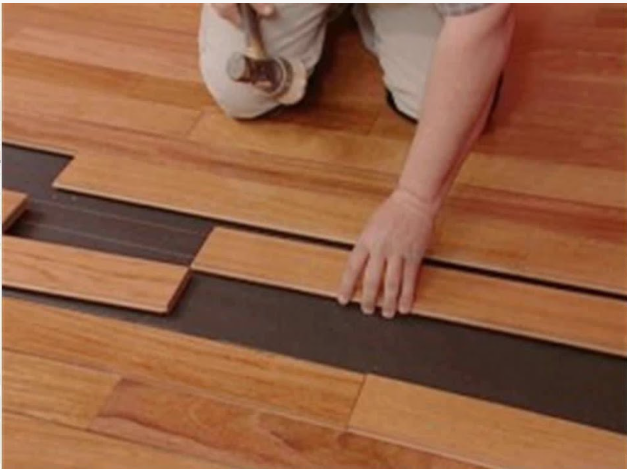
A newly installed floor should feel solid and quiet, so hearing creaks or squeaks can be frustrating and worrying. The good news is that in most cases, a creaking floor after installation is not a serious defect it usually comes from installation conditions, subfloor issues, or natural movement of materials. At Cyndi’s Floors N More, we help homeowners identify the exact cause so the issue can be properly fixed instead of guessing.
Below are the most common reasons your floor may be making noise after installation.
1. Subfloor Movement or Imperfections
The most frequent cause of creaking is the subfloor underneath the flooring. If the subfloor is uneven, loose, or not properly secured, it can move slightly when walked on. This movement creates friction between the subfloor and the new flooring, resulting in squeaks or creaks.
Even small issues like gaps between plywood sheets or weak nails can create noise over time. A properly prepared and leveled subfloor is essential for a quiet and durable flooring system.
2. Loose or Improper Installation
If flooring boards are not tightly locked, nailed, or glued according to manufacturer instructions, they may shift when pressure is applied. This is common in floating floors or click-lock systems if the joints are not fully secured.
Small installation errors such as spacing issues, misaligned boards, or insufficient fastening can lead to movement between floor layers, which produces creaking sounds.
Professional installation significantly reduces this risk because proper tools, spacing, and techniques are used to ensure a tight fit.
3. Natural Expansion and Contraction of Flooring
Most flooring materials, especially hardwood and laminate, naturally expand and contract with temperature and humidity changes. When boards expand, they may press against each other or nearby structures, creating friction that results in creaking noises.
This is especially noticeable in areas with seasonal climate changes or inconsistent indoor humidity levels. It is a normal behavior of wood-based flooring, but can be minimized with proper acclimation before installation.
4. Moisture and Humidity Changes
Moisture is another major factor that affects flooring performance. If moisture gets trapped under the flooring or if humidity levels fluctuate too much, the materials may swell or shrink unevenly.
This movement can cause gaps or pressure points that lead to squeaking. Proper moisture barriers and climate-controlled installation conditions help prevent these issues.
5. Missing or Poor Underlayment
Underlayment acts as a cushioning layer between the floor and subfloor. If it is missing, too thin, or installed incorrectly, it can increase friction and allow more movement between surfaces.
A good underlayment helps:
- Reduce noise
- Absorb movement
- Improve stability
- Increase floor lifespan
Without it, floors are more likely to creak under pressure.
6. Structural Settling of the Building
Sometimes the issue is not the flooring itself but the home structure. Over time, houses naturally settle, which can cause slight shifts in the framing or subfloor. This movement can create new pressure points in the flooring system, leading to squeaks.
This is more common in newer homes or recently renovated areas.
7. Heavy Furniture or Pressure Points
Heavy furniture or concentrated weight in certain areas can cause flooring boards to flex slightly over time. When boards repeatedly bend under pressure, they may start producing creaking sounds.
Using proper furniture pads and distributing weight evenly can help reduce this issue.
How to Fix a Creaking Floor
The right solution depends on the cause:
- Tightening or reinforcing loose subfloor sections
- Adding screws or fasteners to stabilize movement
- Adjusting or replacing underlayment
- Filling gaps between floorboards
- Correcting installation spacing issues
- Controlling indoor humidity levels
In some cases, minor repairs can solve the issue quickly, while more complex cases may require partial floor lifting or reinstallation.
When to Call Flooring Professionals
If your floor continues to creak or the noise is spreading, it’s best to have it inspected by experts. At Cyndi’s Floors N More, we carefully assess the flooring system from subfloor to surface to identify the exact cause and provide a long-term solution.
Early inspection can prevent the problem from getting worse and protect your flooring investment.
Final Thoughts
Creaking floors after installation are usually caused by subfloor movement, installation issues, moisture changes, or natural material expansion not necessarily poor-quality flooring. With proper diagnosis and professional repair, most noise problems can be fixed effectively.
If you’re dealing with a noisy floor or planning a new flooring installation, Cyndi’s Floors N More is here to help ensure your floors stay strong, stable, and quiet for years to come.