
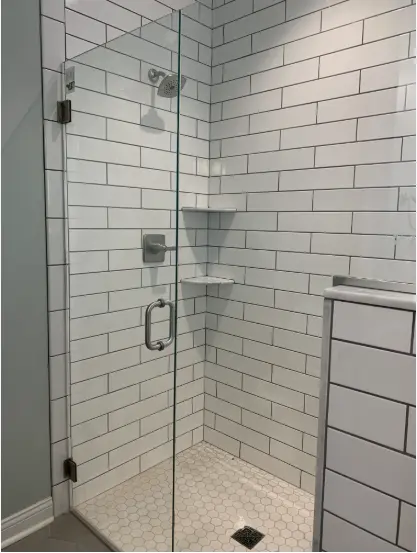
A tiled shower can improve the look of your bathroom, make cleaning easier, and give your space a fresh, updated feel. But before starting a bathroom renovation, one important question comes up: How much does shower tile installation cost?
The total cost depends on the size of your shower, the type of tile you choose, labor, and the condition of the existing walls and shower base. Simple ceramic tile may fit a smaller budget, while natural stone, glass tile, and custom patterns can increase the price.
At Cyndi’s Floors N More, homeowners in Kingman, AZ, can explore flooring and tile options for their home improvement projects. Understanding the main costs can help you plan your shower renovation and choose materials that fit your budget.
How Much Does It Cost to Tile a Shower?
According to Angi’s 2026 shower tiling cost guide, professional shower tile installation typically costs around $1,800 to $5,000, with an average of approximately $2,700. More complex projects can cost $10,000 or more.
These are general cost estimates, not a guaranteed price for every home in Kingman, Arizona. Your final estimate will depend on the size of the shower, tile selection, preparation work, and installation requirements.
A basic shower with standard ceramic tile may cost less than a large walk-in shower with premium materials, decorative patterns, and built-in niches. If the existing shower has water damage or needs extensive repairs, the total project cost may also increase.
What Factors Affect Shower Tile Installation Costs?
Several factors determine how much you will pay for a tiled shower. Understanding them before choosing materials can help you avoid unexpected expenses.
1. Type of Tile
Tile material is one of the biggest factors affecting your shower renovation budget. Each option has a different price, appearance, and maintenance requirement.
Ceramic tile: Ceramic is available in many colors, shapes, and designs. It can be a practical choice for homeowners looking for an attractive shower without choosing premium materials.
Porcelain tile: Porcelain is known for its low water absorption and is available in a wide range of styles. It can work well for shower walls and floors when the selected product is suitable for the application.
Natural stone: Marble, slate, and other natural stones create a distinctive appearance. However, some stone products require sealing and additional care, which can increase installation and maintenance costs.
Glass and mosaic tile: Glass tiles and small mosaics can add decorative detail to a shower. Their installation may require more precise work, especially when creating borders, accent walls, or detailed patterns.
Before purchasing tile, ask your installer whether the product is suitable for wet areas and shower floors. A tile that looks attractive on a wall may not provide the right slip resistance for a shower floor.
2. Shower Size and Tile Coverage
The size of your shower affects the amount of tile, adhesive, grout, and labor required.
A small shower with limited wall coverage will generally need fewer materials than a large walk-in shower with floor-to-ceiling tile. A shower that includes multiple walls, a bench, recessed shelves, or decorative sections may require additional cutting and installation time.
The amount of tile needed also depends on the height of the walls and the layout. Your installer can measure the area and calculate how much material to order, including extra tile for cuts and future repairs.
3. Labor and Installation Complexity
Professional tile installation involves more than attaching tiles to a wall. The installer must prepare the surface, plan the layout, cut tiles around fixtures, maintain consistent grout joints, and finish corners and edges.
A straightforward tile layout is generally less labor-intensive than a detailed herringbone pattern or a design with multiple tile sizes.
Large-format tiles may also require additional care during handling and placement. Small mosaics can take time to align properly because they contain many individual pieces.
If your design includes a niche, bench, custom edging, or several decorative features, discuss those details before requesting a final quote.
4. Removing Old Tile and Preparing Surfaces
If your shower already has tile, the installer may need to remove it before installing the new material. Demolition can involve additional labor, debris removal, and surface preparation.
Once the old tile is removed, the underlying surface should be checked for damage. Loose backing material, deteriorated surfaces, or signs of moisture intrusion may require repairs before installation can begin.
It is important not to cover damaged materials with new tile. Addressing underlying problems first can help prevent more expensive repairs later.
5. Waterproofing
Waterproofing is a critical part of shower tile installation. Tile and grout alone do not make a shower waterproof.
A suitable waterproofing system must protect the underlying structure from moisture. Depending on the shower design, this may include a waterproof membrane, properly sealed transitions, and a correctly installed shower pan or base.
The cost of waterproofing depends on the system used and the amount of preparation required. Although it adds to the project budget, it is an essential part of building a shower that manages water correctly.
6. Additional Features and Fixtures
Some shower designs include features that require extra materials and labor. These may include:
- Built-in shower niches for storing toiletries
- Recessed shelves or tiled benches
- Decorative accent strips
- Custom tile borders and trim
- New shower doors or glass panels
- Updated shower fixtures or plumbing
You do not need every upgrade to create an attractive shower. Choosing a simple layout and focusing on the features you use most can help you manage the overall cost.
Which Shower Tile Is Best for Your Budget?
The right tile depends on your budget, preferred style, and how you use your bathroom.
| Tile type | Main benefits | Cost considerations |
|---|---|---|
| Ceramic | Many colors and designs; often budget-friendly | Product quality and installation details affect the price |
| Porcelain | Low water absorption; many styles available | Some products and large formats cost more |
| Natural stone | Distinctive natural appearance | May require sealing and additional care |
| Glass tile | Decorative finish and visual interest | Precise installation can increase labor costs |
| Mosaic tile | Useful for patterns and detailed areas | Numerous small pieces may require more installation time |
When comparing prices, look beyond the cost per tile. Ask whether your estimate includes setting materials, grout, waterproofing, edge trim, surface preparation, and installation labor.
A lower material price does not always mean a lower total project cost if the tile requires additional preparation or more complex installation.
How Can You Save Money on Shower Tile Installation?
You can control some of your renovation costs by making a few decisions before work begins.
Choose a practical tile design. Standard tile sizes and straightforward layouts can reduce cutting and installation time. You can still add visual interest with a small accent section rather than using an expensive pattern throughout the shower.
Set your budget before selecting materials. Decide how much you want to spend on tile, labor, and additional features. This makes it easier to compare options without committing to upgrades you do not need.
Keep the existing layout when possible. Moving plumbing fixtures or changing the shower’s footprint can add work beyond tile installation. Keeping the existing layout may help limit the scope of the renovation, depending on the condition of the shower.
Get a detailed written estimate. Ask your contractor to separate materials, labor, demolition, waterproofing, and repairs. This makes it easier to understand the quote and compare different proposals.
Do not skip waterproofing or necessary repairs. Cutting corners on moisture protection can lead to costly problems behind the tile. It is better to include the necessary preparation in your original budget.
Can You Install Shower Tile Yourself?
Some homeowners consider DIY tile installation to reduce labor expenses. However, a shower is more complicated than a typical tiled floor or backsplash because it must manage water safely.
The installer needs to prepare the surfaces, create the correct drainage slope, use an appropriate waterproofing system, and install the tile with suitable setting materials. Mistakes in these areas can allow moisture to reach the structure behind the tile.
DIY installation may be suitable for someone with the right experience, tools, and understanding of shower construction. If you are unfamiliar with waterproofing and wet-area installation, hiring a qualified professional can help reduce the risk of costly errors.
How Long Does Shower Tile Installation Take?
The timeline depends on the size of the shower, the tile design, the condition of the existing surfaces, and whether the project requires demolition or repairs.
A straightforward installation may take less time than a full shower renovation involving old tile removal, waterproofing, plumbing changes, and custom features.
The work may also require time for waterproofing products, tile-setting materials, and grout to cure according to the manufacturer’s instructions. Your contractor should explain the expected schedule before work begins.
Is Shower Tile Installation Worth the Cost?
A well-planned tiled shower can improve your bathroom’s appearance and make the space feel more current. It also gives you flexibility in choosing colors, tile sizes, patterns, and finishes that match the rest of your home.
The value of the project depends on the quality of the installation, your material choices, and the condition of the bathroom. Good waterproofing, appropriate tile selection, and careful preparation are important for protecting your investment.
If your existing shower has loose tiles, cracked grout, visible water damage, or an outdated design, it may be worth having the area inspected to determine whether repairs or a complete renovation make more sense.
Frequently Asked Questions
What is the average cost to tile a shower?
Angi’s 2026 cost guide estimates that professional shower tile installation typically costs around $1,800 to $5,000, with an average near $2,700. The actual price depends on the shower size, materials, labor, and preparation work.
Is ceramic or porcelain tile cheaper for a shower?
Ceramic tile is often a budget-friendly option, while porcelain prices vary by product and design. Both can be suitable for showers when the chosen tile is designed for the intended surface and installed correctly.
Does shower tile installation include waterproofing?
Not necessarily. Some estimates include waterproofing, while others list it separately. Ask your installer to confirm which waterproofing materials and preparation steps are included in the quoted price.
Does removing old shower tile increase the cost?
Yes. Removing existing tile can add demolition, disposal, and surface preparation costs. Repairs may also be necessary if the material underneath is damaged.
How do I get an accurate shower tile installation estimate?
Measure the shower area, choose a few tile options, and make a list of any features you want to include. A professional can then inspect the space, assess its condition, and provide an estimate based on the actual project requirements.
Plan Your Shower Tile Project With Cyndi’s Floors N More
Choosing the right tile is an important step toward creating a shower that fits your home, style, and budget. Understanding material prices, labor, waterproofing, and preparation costs can help you make informed decisions before your bathroom renovation begins.
Cyndi’s Floors N More provides flooring and tile solutions in Kingman, AZ, helping homeowners explore options for their home improvement projects.
Ready to discuss your tile project? Visit Cyndi’s Floors N More or call (928) 757-7295 to learn more about available flooring and tile services and discuss your project needs.