
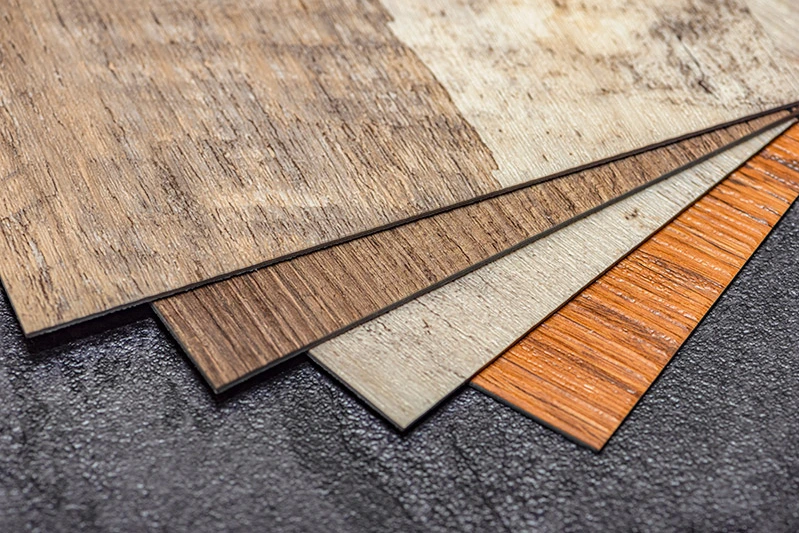
Choosing the right flooring is an important part of any home improvement project. Homeowners often compare materials based on appearance, durability, maintenance needs, and overall cost. Vinyl flooring has become a popular option because it offers a variety of designs, practical performance, and relatively simple maintenance.
Available in several styles, including luxury vinyl plank (LVP), luxury vinyl tile (LVT), and sheet vinyl, this flooring can recreate the appearance of natural hardwood, stone, and ceramic tile. However, like other flooring materials, vinyl has advantages and disadvantages to consider before installation.
Understanding the pros and cons of vinyl flooring can help you decide whether it suits your rooms, household activities, and long-term expectations. Cyndi’s Floors-N-More explores the benefits, limitations, and important considerations to help you make an informed flooring decision.
What Is Vinyl Flooring?
Vinyl flooring is a manufactured flooring material made primarily from polyvinyl chloride (PVC), along with other components that provide flexibility, stability, color, and surface protection.
Modern vinyl flooring is available in different formats and designs. Some products are manufactured to resemble natural wood grain, while others recreate the appearance of marble, stone, and ceramic tile.
Most vinyl flooring products have multiple layers, which may include:
- Wear layer: A transparent protective surface that helps resist everyday scratches, scuffs, and stains.
- Design layer: Contains the printed pattern or visual texture that gives the flooring its appearance.
- Core layer: Provides structure, stability, and support.
- Backing layer: Helps support the flooring and may provide additional stability or sound absorption.
The thickness, construction, and protective features vary between products. These differences can affect comfort, installation requirements, durability, and overall performance.
Pros of Vinyl Flooring
Vinyl flooring offers several benefits that make it worth considering for residential spaces. From its design flexibility to its maintenance requirements, it can provide a practical solution for many households.
1. Affordable Compared to Many Flooring Options
One of the main advantages of vinyl flooring is its range of price options. It is generally available at a lower initial material cost than many natural hardwood and premium stone flooring products.
Homeowners can choose from basic vinyl sheets, standard vinyl planks, and higher-end luxury vinyl products depending on their budget and design preferences.
The total project cost depends on several factors:
- Type and quality of vinyl flooring.
- Thickness and wear-layer specifications.
- Size of the installation area.
- Subfloor preparation requirements.
- Underlayment and additional materials.
- Professional installation expenses.
Although some vinyl flooring products are budget-friendly, premium LVP and LVT options can cost more. Comparing the complete project cost rather than the material price alone helps you plan your flooring investment.
2. Water-Resistant and Waterproof Options
Vinyl flooring is a popular choice for areas where occasional spills and moisture are common. Many products have surfaces that prevent everyday liquids from penetrating the material easily.
Some luxury vinyl plank and tile products are specifically manufactured to be waterproof, making them suitable for kitchens, bathrooms, laundry rooms, and other moisture-prone areas when installed according to manufacturer instructions.
However, it is important to understand the difference between water-resistant and waterproof flooring.
- Water-resistant vinyl: Helps resist moisture for a limited period but may not be designed for prolonged water exposure.
- Waterproof vinyl: The flooring material itself does not absorb water under the conditions specified by its manufacturer.
Even waterproof vinyl flooring does not automatically make the entire floor assembly waterproof. Water can still enter through seams, edges, and installation gaps, potentially affecting the subfloor.
3. Available in Different Styles and Designs
Another advantage of vinyl flooring is its wide selection of colors, patterns, and surface textures.
Homeowners who like the appearance of natural materials can find vinyl products designed to resemble:
- Traditional oak and maple hardwood.
- Dark walnut and other wood finishes.
- Natural stone and slate.
- Marble-inspired patterns.
- Ceramic and porcelain tile.
- Contemporary gray and neutral flooring designs.
Luxury vinyl products may also include textured surfaces that create a more realistic wood or stone appearance.
This design flexibility makes vinyl suitable for different interior styles, whether you prefer a traditional home design, a modern living space, or a simple and neutral appearance.
4. Easy to Clean and Maintain
Vinyl flooring generally requires less maintenance than materials that need regular sealing, polishing, or refinishing.
Routine care usually involves sweeping or vacuuming to remove loose dirt, followed by occasional damp mopping with a suitable vinyl floor cleaner.
Its smooth surface also makes it easier to wipe away many everyday spills before they become stains.
Basic maintenance includes:
- Sweeping or vacuuming regularly.
- Cleaning spills as soon as possible.
- Using a damp microfiber mop.
- Avoiding abrasive cleaning tools.
- Following the manufacturer’s cleaning recommendations.
Unlike many natural stone floors, most vinyl products do not require periodic sealing. They also generally do not need traditional waxing.
5. Comfortable Underfoot
Vinyl flooring can feel softer and warmer underfoot than harder surfaces such as ceramic tile and natural stone.
Its construction provides some flexibility, making it more comfortable for everyday activities such as walking, standing, and moving around the kitchen.
Some luxury vinyl products also include an attached underlayment that can improve sound absorption and provide additional cushioning.
However, comfort varies according to the product’s thickness, core construction, and underlayment. Not every vinyl floor offers the same level of softness or sound reduction.
6. Suitable for Homes with Children and Pets
Households with children and pets often need flooring that can handle everyday activity, spills, and frequent cleaning.
Vinyl flooring can be a practical option because many products have protective wear layers that help resist common household stains, scuffs, and everyday surface wear.
Other useful features include:
- Easy cleanup after food and beverage spills.
- A relatively comfortable surface for everyday movement.
- Multiple designs that work in family living areas.
- Water-resistant or waterproof options for suitable rooms.
However, vinyl is not completely scratch-proof or dent-proof. Pet nails, sharp objects, dragged furniture, and heavy impacts can still damage the surface.
Using furniture pads, cleaning up spills, and choosing an appropriate wear layer can help protect the flooring.
7. Multiple Installation Options
Vinyl flooring comes in several installation formats, giving homeowners different options depending on the product and project requirements.
Common installation methods include:
- Click-lock installation: Individual planks or tiles connect through a locking system and typically create a floating floor.
- Glue-down installation: Flooring pieces are secured to the prepared subfloor using a compatible adhesive.
- Peel-and-stick installation: Individual tiles or planks have an adhesive backing for direct installation on a suitable surface.
- Sheet vinyl installation: Large continuous sections of flooring are installed to cover the designated area.
Some click-lock and peel-and-stick products are suitable for DIY projects. However, successful installation still requires accurate measurements, proper subfloor preparation, and attention to manufacturer instructions.
For larger areas, complicated layouts, or products with specific installation requirements, professional installation can help reduce avoidable problems.
8. Handles Everyday Foot Traffic
Quality vinyl flooring can handle regular household activity, including walking, furniture use, and everyday movement.
Its protective wear layer helps reduce surface damage from common activities, while its layered construction provides support during normal residential use.
The actual performance depends on product quality, wear-layer thickness, core construction, and installation.
For busy hallways, kitchens, and living rooms, compare product specifications rather than choosing flooring based on appearance alone.
Cons of Vinyl Flooring
Although vinyl flooring offers several practical advantages, it also has limitations. Understanding these disadvantages can help you avoid choosing a product that does not match your household’s needs.
1. Can Be Dented or Scratched
Vinyl flooring has a relatively flexible construction compared with harder materials such as ceramic tile and natural stone.
As a result, heavy furniture, appliances, sharp objects, and concentrated pressure can cause dents, scratches, or surface damage.
Furniture legs without protective pads may leave pressure marks, particularly when heavy items remain in the same position for extended periods.
To reduce the risk of damage:
- Use felt pads or compatible furniture protectors.
- Avoid dragging heavy furniture across the floor.
- Lift appliances and furniture when moving them.
- Use suitable protective mats in high-traffic areas.
- Choose a product with an appropriate wear layer.
These precautions can help reduce everyday damage, although they cannot make vinyl completely resistant to impacts or scratches.
2. Cannot Be Refinished Like Hardwood
One important disadvantage of vinyl flooring is that it cannot generally be sanded and refinished like solid hardwood.
Hardwood floors can often be sanded to remove surface scratches and restore their appearance, depending on their thickness and construction.
Vinyl flooring has a printed decorative layer and protective wear layer. Once these layers become deeply scratched, worn, or damaged, refinishing is usually not an option.
Depending on the installation type and extent of damage, individual planks, tiles, or larger sections may need to be replaced.
This makes product selection and preventive maintenance particularly important.
3. Requires a Properly Prepared Subfloor
Vinyl flooring needs an appropriate installation surface to perform as intended.
Uneven areas, cracks, bumps, loose debris, and other subfloor imperfections can affect the finished appearance and stability of the flooring.
Because some vinyl products are relatively thin and flexible, imperfections underneath may become visible through the finished surface.
An unsuitable subfloor can also contribute to installation problems, including gaps, movement, damaged locking joints, and adhesive failure.
Before installation, the subfloor should be:
- Clean and free of loose debris.
- Properly level and within the manufacturer’s flatness requirements.
- Structurally sound.
- Dry enough for the selected flooring system.
- Free from unresolved moisture problems.
Proper preparation is important whether you choose click-lock planks, glue-down vinyl, or sheet flooring.
4. May Fade or Expand with Sunlight and Heat
Prolonged exposure to direct sunlight can affect the appearance of some vinyl flooring products.
Over time, strong sunlight may contribute to fading or discoloration, depending on the flooring’s construction and protective features.
Excessive heat can also cause certain vinyl products to expand, contract, or experience dimensional changes.
This is particularly important in rooms with large windows, sunrooms, and areas exposed to strong direct sunlight.
To help protect your flooring, consider using window coverings, following the manufacturer’s temperature recommendations, and selecting products with suitable heat and light exposure specifications.
5. Environmental and Indoor Air Quality Considerations
Vinyl flooring is primarily made using PVC-based materials. Unlike natural materials such as solid wood, it is not biodegradable and can be difficult to recycle through ordinary household recycling programs.
Another consideration is indoor air quality. Some flooring products and installation materials may release volatile organic compounds (VOCs), particularly after installation.
However, emissions vary depending on the product, manufacturing process, adhesives, and certifications.
Homeowners concerned about indoor air quality can compare product documentation, look for recognized low-emission certifications, and follow recommended ventilation instructions during and after installation.
It is also worth considering how the flooring can be disposed of or recycled at the end of its useful life.
6. Repairing Damaged Flooring Can Be Difficult
Repair options depend on the type of vinyl flooring and how it was installed.
For example, replacing a damaged click-lock plank may require removing nearby flooring to reach the affected section. Glue-down vinyl can require careful removal of the damaged piece and preparation of the area before installing a replacement.
Sheet vinyl may be more challenging to repair because the flooring is installed in larger continuous sections.
Another consideration is matching the replacement material. If the original product has been discontinued or the flooring has faded over time, a new plank or tile may not match the existing floor exactly.
Keeping extra flooring from the original installation can make future repairs easier.
What Are the Different Types of Vinyl Flooring?
Vinyl flooring is available in several formats. Understanding their differences can help you select the right product for your project.
Luxury Vinyl Plank (LVP)
Luxury vinyl plank flooring is designed to resemble hardwood flooring. It comes in individual plank shapes with different wood-inspired colors, patterns, and textures.
LVP is commonly used in living rooms, bedrooms, kitchens, hallways, and other residential spaces. Its appearance makes it an option for homeowners who want a wood-inspired design without installing natural hardwood.
Luxury Vinyl Tile (LVT)
Luxury vinyl tile is manufactured in tile-shaped pieces and often recreates the appearance of stone, marble, or ceramic tile.
It provides flexibility in design and is available in different patterns, sizes, and finishes. Depending on the product, LVT can be installed using click-lock or adhesive-based methods.
Sheet Vinyl Flooring
Sheet vinyl is manufactured in large rolls and installed in continuous sections. It can reduce the number of seams across a room, depending on the room dimensions and installation layout.
It is available in different patterns and is often considered for kitchens, laundry areas, and other residential spaces.
Each type has different installation requirements, design options, and performance characteristics. Comparing the manufacturer’s specifications is important before making a selection.
Is Vinyl Flooring Right for Your Home?
Vinyl flooring can be a suitable option if you want a floor that offers design flexibility, relatively simple maintenance, and practical everyday performance.
However, the right choice depends on your budget, room conditions, household activities, and expectations for long-term use.
Vinyl flooring may be worth considering if you:
- Want the appearance of hardwood or stone at a different price point.
- Prefer flooring that is relatively easy to clean.
- Need a suitable option for areas with occasional spills.
- Want different plank, tile, or sheet installation formats.
- Prefer a surface that offers some cushioning underfoot.
- Need flooring that can handle regular residential activity.
You may want to compare other flooring materials if you:
- Prefer a natural material that can potentially be refinished.
- Want flooring with different long-term repair options.
- Have specific environmental material preferences.
- Need a surface designed for unusually heavy loads or particular temperature conditions.
For example, solid hardwood may be worth considering if refinishing is an important priority. Ceramic or porcelain tile may be more suitable if you prefer a hard surface with high resistance to scratches and heat.
The best decision comes from comparing the features of each flooring material with the actual needs of your home.
Frequently Asked Questions About Vinyl Flooring
What Is the Biggest Downside of Vinyl Flooring?
One of the biggest disadvantages is that vinyl flooring cannot generally be refinished like hardwood. Deep scratches, dents, and damage to the decorative layer may require replacing individual planks, tiles, or sections instead of restoring the original surface.
What Are the Most Commonly Regretted Flooring Choices?
Flooring dissatisfaction often happens when homeowners choose materials based only on appearance or initial price without considering maintenance, comfort, moisture exposure, and durability. For example, a flooring product that is unsuitable for the room’s conditions may require more maintenance or repairs than expected.
Do High-End Homes Use Vinyl Plank Flooring?
Yes. Some high-end residential properties use luxury vinyl plank flooring because of its realistic wood designs, range of finishes, and practical maintenance requirements. However, flooring selection depends on the property’s interior design, homeowner preferences, and project specifications.
What Is Better Than Vinyl Flooring?
There is no single flooring material that is better for every home. Hardwood offers natural material characteristics and refinishing options, porcelain tile provides a hard and heat-resistant surface, and laminate offers another wood-inspired flooring choice. The right material depends on your budget, room conditions, and maintenance preferences.
How Long Does Vinyl Flooring Last?
The lifespan of vinyl flooring depends on its quality, wear-layer thickness, installation, household activity, and maintenance. Higher-quality products with appropriate wear layers can provide years of residential use when installed and maintained according to manufacturer recommendations.
Is Vinyl Flooring a Good Choice for Kitchens and Bathrooms?
Many vinyl products are suitable for kitchens and bathrooms because they offer water-resistant or waterproof surface construction. However, product specifications and proper installation are important. Water can still enter through seams and edges, so spills should be cleaned promptly and the manufacturer’s moisture requirements should be followed.
Explore Flooring Options with Cyndi’s Floors-N-More
Vinyl flooring offers several advantages, including a wide range of designs, straightforward maintenance, and practical options for busy households. At the same time, limitations such as denting, repair requirements, subfloor preparation, and environmental considerations should be part of your decision.
At Cyndi’s Floors-N-More, homeowners can explore flooring options that suit their rooms, design preferences, and project requirements. Whether you are considering luxury vinyl plank, vinyl tile, or another flooring material, understanding the differences can help you choose an option that fits your home.
If you are planning a flooring update in Kingman, AZ, or a surrounding community, contact Cyndi’s Floors-N-More to discuss your flooring needs and explore available options.