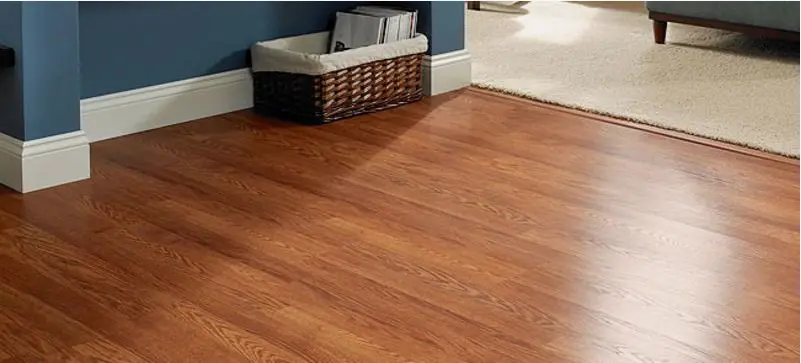
Laminate flooring is a popular choice for homeowners because it offers the appearance of hardwood while being relatively easy to maintain. However, even well-maintained laminate floors can lose their original shine over time. Dust, foot traffic, cleaning product residue, spills, and small surface scratches can make the flooring look cloudy, streaky, or dull.
The good news is that you do not need expensive equipment or complicated treatments to improve the appearance of your laminate floors. Using the right cleaning methods, removing product buildup, and following a consistent maintenance routine can help keep the surface looking clean and attractive.
If you are wondering how to shine laminate floors without damaging them, this guide explains the best cleaning techniques, products to use, common mistakes to avoid, and ways to maintain your flooring’s appearance.
Why Do Laminate Floors Lose Their Shine?
Laminate flooring has a protective wear layer that helps resist everyday wear, stains, and surface damage. However, this layer can gradually collect residue and develop scratches that affect how light reflects from the surface.
Understanding what causes laminate floors to look dull can help you choose the right cleaning method.
Common reasons include:
- Dust and dirt buildup: Dirt, sand, and other small particles enter the home on shoes and collect on the flooring. Regular foot traffic can spread this debris across the surface, making it look less clean.
- Cleaning product residue: Soap-based cleaners, waxes, oils, and products that leave behind a coating can create a cloudy appearance over time.
- Excessive moisture: Using too much water while mopping can leave streaks and water spots. Moisture can also seep into seams and damage the laminate core.
- Surface scratches: Furniture movement, pet nails, and abrasive dirt can create small scratches that affect the floor’s smooth appearance.
- Incorrect cleaning tools: Rough brushes, abrasive pads, and harsh chemicals can damage the protective wear layer.
- Sunlight exposure: Prolonged exposure to direct sunlight can contribute to fading or uneven changes in the flooring’s appearance.
Before applying any polishing product, determine whether your laminate floor is actually dirty, covered with residue, or physically damaged. Each problem requires a different solution.
Step-by-Step Guide to Making Laminate Floors Shine
The best way to improve the appearance of laminate flooring is to clean it properly without leaving excess moisture or product buildup. Follow these steps to restore a clean, natural-looking surface.
1. Remove Dust and Loose Dirt
Start by removing all loose dirt, dust, pet hair, and other debris from the floor. These particles can scratch the laminate surface if they are pushed around during mopping.
Use a soft-bristled broom, a microfiber dust mop, or a vacuum cleaner with a hard-floor setting. If your vacuum has a rotating beater bar, turn it off to avoid unnecessary contact with the flooring.
Pay attention to corners, underneath furniture, and areas near entryways where dirt tends to collect.
Removing dry debris first makes the wet-cleaning process more effective and reduces the risk of additional scratches.
2. Choose a Laminate-Safe Floor Cleaner
Using the correct cleaning solution is essential for maintaining laminate flooring. Some household cleaners contain ingredients that leave behind residue or damage the protective surface.
Choose a cleaner specifically labeled for laminate floors. A suitable product should remove everyday dirt without leaving a sticky coating or excessive moisture.
When selecting a cleaner:
- Look for laminate-safe, residue-free formulas.
- Follow the manufacturer’s cleaning recommendations.
- Avoid abrasive cleaners and scouring powders.
- Do not use wax-based or oil-based products unless the flooring manufacturer specifically approves them.
- Avoid strong chemicals such as bleach and ammonia unless the manufacturer’s instructions explicitly permit their use.
You may also find homemade cleaning solutions recommended online. However, vinegar, dish soap, and other household mixtures are not suitable for every laminate product. Check the flooring manufacturer’s instructions before using them.
3. Use a Damp Microfiber Mop
Once you have selected an appropriate cleaner, use a microfiber mop to clean the floor.
Microfiber is a good option because it collects fine dust and dirt without requiring an abrasive scrubbing motion.
Follow these cleaning tips:
- Lightly apply the laminate-safe cleaner according to its instructions.
- Use a microfiber mop that is damp rather than soaking wet.
- Clean small sections at a time.
- Move the mop along the direction of the flooring planks.
- Avoid allowing water to collect around seams and edges.
- Rinse or replace the mop pad when it becomes dirty.
Never pour water directly onto laminate flooring. Excess moisture can enter the joints, causing swelling, lifting, or separation between planks.
4. Remove Streaks and Excess Moisture
After cleaning, check the flooring for streaks, water spots, or remaining moisture.
Use a clean, dry microfiber cloth or mop pad to remove any excess moisture. Allow the floor to dry completely before placing rugs back or moving furniture across it.
If streaks remain, they may be caused by too much cleaning solution, a dirty mop pad, or existing product buildup. Avoid adding more cleaner without identifying the cause.
5. Buff the Floor with a Dry Microfiber Mop
Once the laminate floor is completely dry, gently buff the surface using a clean microfiber mop.
Work across small sections using light, even movements. This helps remove remaining dust and improves the appearance of the clean surface.
Remember that laminate flooring does not need aggressive polishing to look good. The goal is to maintain its original finish rather than create an artificial glossy coating.
How to Remove Cloudy Film and Cleaner Buildup from Laminate Floors
Sometimes laminate floors look dull even after regular cleaning. This can happen when soap, wax, oil, or other cleaning products accumulate on the surface.
Adding another cleaning or polishing product may make the problem worse.
Here is how to approach residue buildup:
Identify the source: Think about which cleaning products have been used. Products that promise extra gloss or leave a protective coating may be responsible for the cloudy appearance.
Stop using the problematic product: Avoid applying additional wax, polish, or soap-based cleaners.
Use an approved residue-removing cleaner: Select a product specifically approved for laminate flooring and follow its application instructions.
Clean with a fresh microfiber pad: Use the recommended amount of cleaner and avoid soaking the floor.
Allow the surface to dry: Check whether the cloudy film has improved before repeating the process.
Avoid using general-purpose floor strippers or strong chemical solutions unless the flooring manufacturer specifically recommends them. Some products can permanently affect the decorative layer or protective finish.
How to Fix Scratches and Dull Spots on Laminate Flooring
Cleaning can remove dirt and residue, but it cannot repair physical damage to the laminate surface. If certain areas still look dull after cleaning, scratches or worn sections may be responsible.
Fortunately, some minor damage can be addressed without replacing the entire floor.
Treat Minor Scuff Marks
Light scuff marks from shoes or furniture may sometimes be removed using a clean microfiber cloth.
For stubborn marks, try a laminate-safe spot cleaner after testing it in an inconspicuous area.
A soft pencil eraser may also help with certain superficial marks, but use gentle pressure and avoid rubbing aggressively.
Use a Laminate Floor Repair Kit
Small scratches, chips, and surface imperfections may be repaired using a laminate flooring repair kit.
Depending on the product, these kits may include:
- Color-matched repair wax.
- Filler materials.
- Putty or repair compounds.
- Applicators and smoothing tools.
Choose a repair kit that closely matches your flooring color and follow its instructions carefully.
These products can improve the appearance of minor damage, but they cannot restore a deeply damaged protective wear layer.
Replace Severely Damaged Planks
If a laminate plank has deep scratches, swelling, chipped edges, or water damage, cleaning and polishing will not solve the problem.
Some laminate flooring systems use click-lock installation, which may allow individual boards to be replaced. However, the replacement process depends on the floor’s installation method and location of the damaged plank.
A flooring professional can help determine whether individual plank replacement or a larger flooring replacement is the better option.
Products and Cleaning Methods to Avoid on Laminate Floors
Using the wrong products can make laminate flooring look worse instead of improving its appearance. Some cleaning methods may also damage the surface or allow moisture to enter the plank joints.
Here are common mistakes to avoid:
1. Wax and Oil-Based Polishes
Traditional hardwood waxes and oil-based polishes are generally unsuitable for laminate flooring. They can leave a slippery coating, attract dust, and create uneven buildup.
2. Steam Mops
Steam cleaners expose flooring to heat and moisture. These conditions can damage laminate seams and cause swelling or separation. Use a steam mop only if the flooring manufacturer explicitly approves it.
3. Excessive Water
Wet mopping can allow moisture to enter the joints and edges. Always use a lightly damp mop and dry any excess moisture promptly.
4. Abrasive Scrubbing Pads
Steel wool, rough brushes, and abrasive cleaning pads can scratch the protective wear layer. Use soft microfiber materials instead.
5. Harsh Chemical Cleaners
Bleach, ammonia, and strong solvents may affect the laminate’s protective finish or appearance. Always check product compatibility before applying a cleaning solution.
6. Too Much Cleaning Product
Using more cleaner does not necessarily produce better results. Excess product can leave behind a film that makes the floor appear streaky or cloudy.
How to Maintain the Shine of Laminate Floors
Once your laminate floors are clean, regular maintenance can help preserve their appearance and reduce the need for intensive cleaning.
A few simple habits can make a noticeable difference.
Place Mats at Entryways
Use doormats at entrances to catch dirt, sand, and debris before they reach your flooring. This is particularly useful in homes where outdoor dust and grit are frequently tracked inside.
Sweep or Dust Mop Regularly
Remove loose dirt before it accumulates. A quick sweep or microfiber dust-mopping routine helps prevent abrasive particles from scratching the surface.
Clean Spills Immediately
Wipe up water, beverages, and other spills as soon as possible. Do not allow liquid to remain on laminate flooring, especially around plank joints.
Use Furniture Protection Pads
Attach felt pads to the bottom of chairs, tables, and other movable furniture. These help reduce friction and prevent scratches when furniture is moved.
Avoid Dragging Heavy Objects
Lift furniture whenever possible instead of dragging it across the floor. For heavier items, use appropriate furniture-moving equipment that protects the flooring.
Control Indoor Humidity
Maintain a comfortable indoor environment and address excessive humidity or moisture problems. Significant changes in humidity can affect laminate flooring, particularly when moisture reaches the plank joints.
Limit Direct Sunlight
Use curtains, blinds, or window coverings to reduce prolonged direct sunlight exposure. This can help minimize uneven fading and changes in flooring appearance.
How Often Should You Clean Laminate Floors?
The ideal cleaning schedule depends on household activity, foot traffic, pets, and the amount of dirt entering your home.
A simple maintenance schedule can help keep laminate flooring in good condition.
| Cleaning Task | Recommended Frequency |
|---|---|
| Sweep or dust mop | Daily or several times a week |
| Vacuum with a hard-floor setting | Weekly or as needed |
| Damp mop with laminate-safe cleaner | Every 1–2 weeks or as needed |
| Clean spills | Immediately |
| Check for scratches and damage | Monthly |
| Deep clean residue buildup | Only when needed |
Homes with pets, children, or heavy foot traffic may need more frequent cleaning. However, avoid unnecessary wet cleaning because excessive moisture can damage laminate flooring.
Can You Make Old Laminate Floors Look New Again?
Yes, in some cases. Older laminate floors can look significantly better after removing accumulated dirt, cleaning product residue, and superficial marks.
However, the results depend on the condition of the flooring.
If the laminate is dull because of dirt or residue, proper cleaning may restore its original appearance. Minor scuffs may also be improved with suitable repair products.
On the other hand, faded decorative layers, deep scratches, swollen boards, chipped edges, and water damage cannot be corrected through regular cleaning or polishing.
Unlike hardwood flooring, laminate generally cannot be sanded and refinished to restore its original surface. When the protective layer or decorative image is seriously damaged, replacing the affected planks or installing new flooring may be necessary.
If your flooring has widespread damage or no longer looks the way you want, consider consulting a flooring professional about suitable replacement options.
Frequently Asked Questions About Shining Laminate Floors
1. What Is the Best Way to Make Laminate Floors Shine?
The best approach is to remove loose dirt, clean the surface with a laminate-safe cleaner, and use a lightly damp microfiber mop. Once the floor is dry, gently buff it with a clean microfiber pad. Avoid waxes and oil-based polishes that can create buildup.
2. Can I Use Vinegar to Make Laminate Floors Shine?
Vinegar is sometimes recommended as a homemade floor cleaner, but it is not suitable for every laminate flooring product. Its acidity may affect certain finishes over time. Check the manufacturer’s cleaning instructions before using vinegar, and choose an approved laminate cleaner when unsure.
3. Why Do My Laminate Floors Look Cloudy After Mopping?
Cloudiness after mopping is often caused by cleaner residue, excessive product, dirty mop pads, or too much water. Try cleaning a small area with a fresh microfiber pad and an approved residue-free laminate cleaner.
4. Can I Use Furniture Polish on Laminate Flooring?
No. Most furniture polishes are not designed for laminate flooring. They may leave an oily or slippery film that attracts dust and creates uneven patches. Use products specifically approved for laminate floors.
5. Does Baking Soda Make Laminate Floors Shine?
Baking soda is not recommended as a general laminate floor polish. Its abrasive properties may scratch or affect the protective surface. Use a laminate-safe cleaner instead.
6. Can I Use a Steam Mop on Laminate Flooring?
Steam mops are generally not recommended for laminate floors because heat and moisture can damage the plank joints and core. Only use one if the flooring manufacturer specifically confirms that your product is compatible with steam cleaning.
7. Can Laminate Floors Be Polished Like Hardwood?
No. Traditional hardwood polishing and refinishing methods are not suitable for most laminate flooring. Laminate has a factory-applied protective wear layer and decorative surface that cannot be sanded and refinished like solid hardwood.
8. How Can I Make Laminate Floors Shine Without Leaving Streaks?
Use a clean microfiber mop, a laminate-safe residue-free cleaner, and the recommended amount of product. Avoid soaking the surface and dry any remaining moisture with a clean microfiber cloth.
Keep Your Laminate Floors Looking Their Best with Cyndi’s Floors-N-More
Maintaining attractive laminate flooring does not require complicated polishing treatments or expensive cleaning products. Regular dust removal, proper cleaning solutions, careful moisture control, and gentle maintenance can help preserve the flooring’s original appearance.
If your laminate floors have deep scratches, damaged boards, swelling, or significant wear, cleaning alone may not be enough. Understanding when to repair or replace flooring can help you make the right decision for your home.
At Cyndi’s Floors-N-More, we help homeowners explore flooring options for their homes, including laminate and other flooring solutions. Whether you are considering new laminate flooring or looking at alternatives for an older floor, our team can help you find an option that suits your space and flooring needs.
Contact Cyndi’s Floors-N-More to learn more about available flooring options and take the next step toward updating your home’s floors.