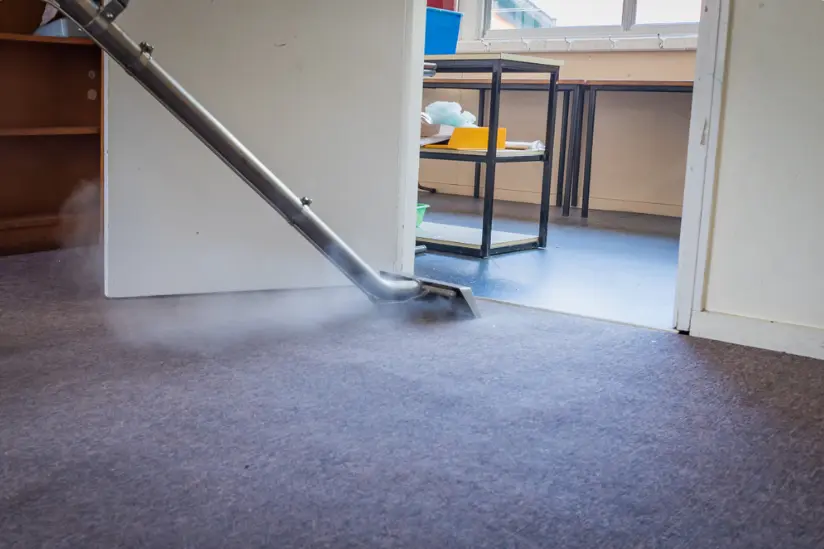
Carpets make a home feel comfortable, warm, and inviting, but they can also collect dust, dirt, allergens, bacteria, and other unwanted particles over time. Everyday foot traffic, food spills, pet accidents, and moisture can leave carpet fibers looking dirty and create unpleasant odors. Regular vacuuming helps remove loose debris, but it may not be enough to address deeper dirt and contamination.
The good news is that you can clean and refresh your carpet without owning a steam cleaner. With the right carpet-safe cleaning products, household supplies, and proper drying techniques, you can remove many common contaminants and improve the overall condition of your flooring.
If you are wondering how to sanitize carpet without a steam cleaner, this guide explains practical cleaning methods, products to consider, stain and odor removal techniques, and ways to maintain a cleaner carpet.
Why Is It Important to Sanitize Carpet Regularly?
Carpet fibers can trap particles that enter your home through shoes, pets, open windows, and everyday activities. While vacuuming removes much of the loose dirt, some contaminants can remain deeper within the carpet.
Regular carpet cleaning and appropriate sanitizing practices can help maintain a cleaner indoor environment.
Here are some common reasons to pay attention to carpet hygiene:
- Dust and dirt accumulation: Dirt, sand, and dust particles can settle between carpet fibers and build up with regular foot traffic.
- Pet hair and dander: Homes with cats and dogs may experience additional buildup of pet hair, dander, and tracked-in dirt.
- Food and beverage spills: Spilled drinks, food particles, and other organic materials can leave stains and unpleasant smells if not cleaned properly.
- Bacteria and germs: Contaminants can be introduced through shoes, pets, spills, and everyday contact.
- Allergen accumulation: Carpets can collect pollen, dust, and other particles that may affect people with allergies.
- Unpleasant odors: Moisture, pet accidents, and trapped organic material can contribute to lingering smells.
It is important to understand that cleaning and sanitizing are not exactly the same. Cleaning removes visible dirt and many contaminants, while sanitizing uses an appropriate product to reduce certain microorganisms on a surface. Regular household cleaning alone does not guarantee that a carpet has been disinfected.
What Do You Need to Sanitize Carpet Without a Steam Cleaner?
You do not need specialized equipment to clean most everyday carpet messes. A few basic household supplies and suitable carpet-cleaning products can help you get started.
Before cleaning, gather the following:
- Vacuum cleaner with an appropriate carpet setting.
- Clean microfiber cloths or white towels.
- Soft-bristled cleaning brush.
- Spray bottle for applying approved cleaning solutions.
- Clean bucket and fresh water.
- Carpet-safe cleaning solution.
- Carpet-safe sanitizing product, if sanitizing is necessary.
- Baking soda for odor absorption.
- Clean gloves for handling cleaning products.
- Fans or other ventilation equipment to help dry the carpet.
Choose cleaning and sanitizing products according to your carpet manufacturer’s recommendations. Always check the product label to confirm that it is suitable for your particular carpet material.
Step-by-Step Guide: How to Sanitize Carpet Without a Steam Cleaner
You can follow this process to clean your carpet, address common contaminants, and use an appropriate sanitizing treatment when needed.
Step 1: Remove Furniture and Loose Items
Start by clearing the area you plan to clean. Move small furniture, toys, rugs, and other objects away from the carpet.
Removing obstacles makes it easier to reach areas that normally collect dust and dirt underneath furniture.
For larger furniture that cannot be moved, clean around the legs and accessible edges. Use furniture protectors when placing items back to avoid transferring moisture or stains onto the carpet.
Step 2: Vacuum the Carpet Thoroughly
Vacuuming is one of the most important steps because sanitizing products should not be applied over a layer of loose dirt and debris.
Move the vacuum slowly across the carpet to allow it to collect dust, hair, and particles trapped between the fibers.
For better coverage:
- Vacuum in multiple directions.
- Pay extra attention to hallways and frequently used rooms.
- Clean along baseboards and furniture edges.
- Use appropriate attachments for corners and hard-to-reach areas.
- Empty the vacuum container or replace the bag when necessary.
If you have pets, use a vacuum designed to handle pet hair and dander.
Step 3: Treat Visible Stains Before Cleaning
Before applying a general carpet-cleaning solution, address visible stains individually.
Different stains require different cleaning methods, so identify the source whenever possible.
For food and beverage stains: Blot the affected area with a clean white cloth. Apply a carpet-safe spot cleaner according to its directions and gently work from the outside of the stain toward the center.
For mud and dirt: Allow wet mud to dry before vacuuming the loose material. Treat any remaining discoloration with an appropriate carpet cleaner.
For pet accidents: Remove solid waste carefully and blot excess liquid. Use a carpet-safe enzymatic cleaner designed for pet stains and odors. Follow the label instructions, including the required contact time.
For grease and oily stains: Use a carpet-safe product specifically formulated for grease removal. Avoid rubbing the stain because this can spread it further into the fibers.
Always blot rather than scrub. Aggressive scrubbing can damage carpet fibers and make stains harder to remove.
Step 4: Apply a Carpet-Safe Cleaning Solution
Once loose dirt and visible stains have been addressed, clean the carpet using a suitable carpet-cleaning solution.
Choose a product that is specifically labeled for your carpet type. Some cleaning solutions are designed for synthetic fibers, while others may be unsuitable for wool or delicate materials.
Follow these steps:
- Read the cleaner’s instructions carefully.
- Test the product on a small, hidden section of carpet.
- Wait for the test area to dry and check for discoloration or texture changes.
- Apply the recommended amount of cleaner to the affected area.
- Gently blot or clean using a soft cloth or brush, as directed.
- Remove any remaining product according to the manufacturer’s instructions.
Avoid applying too much liquid. Excess moisture can reach the carpet backing and padding, creating conditions for mold and mildew growth if the area does not dry properly.
Step 5: Use a Carpet-Safe Sanitizing Product When Needed
If your goal is to reduce certain microorganisms on the carpet, select a sanitizing product specifically labeled for use on carpet or the relevant carpet material.
Not every household disinfectant is appropriate for fabric flooring. A product that works on hard surfaces may not be approved for porous carpet fibers.
Before using a sanitizing product:
- Check that the label specifically includes carpet or the applicable textile surface.
- Follow the recommended dilution and application instructions.
- Apply only the amount directed by the manufacturer.
- Observe the required contact time.
- Follow instructions for rinsing or removing excess product.
- Keep children and pets away for the period specified on the label.
If you cannot find a product specifically approved for carpet, do not assume that a general-purpose disinfectant will sanitize it safely.
Also, remember that a product’s effectiveness depends on its approved use, application method, and contact time.
Step 6: Blot Away Excess Moisture
After cleaning or applying an approved treatment, use clean, dry white towels or microfiber cloths to absorb excess moisture.
Place the towel over the damp area and press gently. Replace it with a dry towel as needed.
Avoid twisting or aggressively rubbing the carpet. This can disturb the fibers and spread remaining dirt.
Removing excess moisture helps prevent prolonged dampness and makes the drying process faster.
Step 7: Allow the Carpet to Dry Completely
Proper drying is essential after carpet cleaning.
A carpet that remains damp for too long may develop unpleasant odors and create conditions that encourage mold or mildew growth.
To improve airflow:
- Open windows when outdoor conditions allow.
- Use fans to circulate air across the carpet.
- Run an air conditioner or dehumidifier when appropriate.
- Keep furniture away from wet sections until the carpet is dry.
- Avoid walking on damp areas whenever possible.
Do not replace rugs or heavy furniture until the carpet and underlying padding are completely dry.
How to Sanitize Carpet Naturally Without Harsh Chemicals
Some homeowners prefer simple household products for everyday carpet maintenance. However, natural ingredients are not automatically safe for every carpet or effective as disinfectants.
Here are a few options for specific cleaning needs.
Use Baking Soda to Help Absorb Carpet Odors
Baking soda is commonly used to absorb some household odors. It can be helpful for refreshing carpets that have mild, dry odors.
How to use it:
- Make sure the carpet is completely dry.
- Sprinkle a light, even amount of baking soda over the affected area.
- Allow it to sit for the period recommended for your carpet and cleaning needs.
- Vacuum thoroughly to remove the powder.
Avoid using excessive baking soda, particularly on thick carpets where powder may be difficult to remove.
Baking soda helps with odor management, but it does not disinfect or sanitize carpet fibers.
Use Mild Soap for Certain Everyday Spills
For some fresh, water-based stains, a small amount of mild detergent diluted in water may help remove surface dirt.
However, not every detergent is appropriate for carpet. Always check the manufacturer’s cleaning guidance, test a hidden area, and use a clean cloth to remove any remaining residue.
Too much soap can leave a sticky film that attracts additional dirt.
Consider Enzyme-Based Cleaners for Pet Accidents
Pet urine and other organic stains can be difficult to remove because they may penetrate beyond the visible carpet surface.
Enzyme-based carpet cleaners are designed to break down certain organic materials responsible for stains and odors.
Choose a product specifically labeled for your carpet type and the type of stain being treated. Follow its instructions carefully.
Enzyme cleaners are useful for certain organic stains, but they should not automatically be considered disinfectants.
How to Remove Bacteria, Allergens, and Pet Odors from Carpet
Different contaminants require different cleaning approaches. Treating them correctly can improve carpet hygiene without unnecessarily exposing the fibers to harsh chemicals.
Removing Dust and Allergens
Vacuuming regularly with a well-maintained vacuum and an appropriate filtration system can help remove dust, pollen, and other particles.
For households with allergy concerns, consider vacuuming more frequently and following the manufacturer’s recommendations for carpet cleaning.
Addressing Pet Odors
Pet accidents should be cleaned as soon as possible.
Blot fresh urine with absorbent towels, then apply an appropriate enzymatic cleaner. Avoid using heat before the stain has been treated, as heat may make certain stains more difficult to remove.
If odors continue after cleaning, the contamination may have reached the carpet padding or subfloor.
Cleaning High-Traffic Areas
Hallways, entryways, living rooms, and frequently used spaces often collect more dirt than other parts of the home.
Vacuum these areas regularly and spot-clean stains as soon as they occur.
For deeper contamination, consider a suitable professional carpet-cleaning service if available.
Reducing Germs from Shoes and Outdoor Debris
Place doormats at entrances and encourage household members to remove outdoor footwear before walking across carpeted rooms.
This simple habit can reduce the amount of outdoor dirt and debris brought into the home.
Common Mistakes to Avoid When Sanitizing Carpet
Using the wrong cleaning products or techniques can damage carpet fibers and leave behind unwanted residue.
Avoid these common mistakes:
1. Using Too Much Water
Excess water can penetrate the carpet backing and padding. This may cause persistent dampness, unpleasant odors, and potential mold problems.
2. Mixing Household Cleaning Chemicals
Never mix bleach, ammonia, vinegar, hydrogen peroxide, or other cleaning products. Certain combinations can release dangerous gases or cause chemical reactions.
3. Scrubbing Stains Aggressively
Hard scrubbing can damage carpet fibers and spread stains. Use gentle blotting techniques instead.
4. Applying Hard-Surface Disinfectants to Carpet
Not all disinfectants are designed for porous materials. Check the label before applying any sanitizing product to carpet.
5. Ignoring Manufacturer Instructions
Carpet materials differ. A cleaning method suitable for one carpet may damage another, especially delicate natural fibers.
6. Allowing Carpet to Stay Wet
Leaving carpet damp for an extended period can contribute to odors and microbial growth. Always prioritize proper drying.
7. Skipping the Spot Test
Some products can cause discoloration or damage. Test every unfamiliar cleaning product in an inconspicuous area first.
How Often Should You Sanitize Carpet?
The frequency of carpet cleaning depends on household activity, pets, children, indoor conditions, and the type of carpet.
A regular maintenance schedule can help prevent excessive dirt and residue buildup.
| Carpet Maintenance Task | Suggested Frequency |
|---|---|
| Vacuuming | At least once or twice a week |
| Vacuuming high-traffic areas | Several times a week or as needed |
| Spot cleaning spills | Immediately |
| General carpet cleaning | As needed, based on dirt and manufacturer guidance |
| Sanitizing treatment | Only when appropriate and according to product instructions |
| Professional carpet assessment | When stains, odors, or contamination persist |
Homes with pets, young children, or heavy foot traffic may require more frequent cleaning.
However, sanitizing products should not be applied unnecessarily. Regular vacuuming and appropriate carpet cleaning are usually the foundation of good maintenance.
When Should You Consider Replacing Your Carpet?
Cleaning can improve the appearance and hygiene of many carpets, but it cannot fix every type of damage.
If your carpet has extensive wear or persistent problems, replacement may be a more practical option.
Consider evaluating your carpet when you notice:
- Permanent stains that remain after appropriate cleaning.
- Worn or flattened fibers in frequently used areas.
- Persistent odors that return after cleaning.
- Water damage affecting the carpet backing or padding.
- Visible mold growth or recurring moisture problems.
- Tears, loose sections, or significant fiber damage.
If moisture has caused mold growth, address the underlying moisture problem and seek appropriate professional assessment rather than simply covering the area with a new carpet.
When replacement is necessary, choosing the right carpet material, pile style, and construction can make a difference in how well the flooring performs in your home.
How to Keep Your Carpet Cleaner for Longer
Maintaining carpet does not have to involve frequent deep-cleaning treatments. Simple daily habits can reduce dirt accumulation and help preserve its appearance.
Consider these practical tips:
- Use entryway mats: Place mats near exterior doors to capture dirt before it reaches carpeted rooms.
- Remove shoes indoors: Encourage family members and visitors to avoid wearing outdoor shoes on carpet.
- Vacuum consistently: Regular vacuuming prevents loose dirt from accumulating between carpet fibers.
- Clean spills promptly: Address stains before they become difficult to remove.
- Manage pet accidents: Use suitable cleaning products as soon as accidents occur.
- Protect high-traffic areas: Consider washable rugs or runners in frequently used spaces.
- Maintain proper ventilation: Good airflow helps keep indoor areas dry and comfortable.
- Follow carpet care instructions: Use cleaning products and methods approved for your specific flooring material.
These habits can help keep carpet looking cleaner and reduce the need for intensive cleaning.
Choose the Right Carpet for Your Home with Cyndi’s Floors N More
Keeping carpet clean starts with good maintenance, but selecting the right flooring is equally important. Carpet materials, textures, and construction can affect comfort, appearance, cleaning requirements, and everyday performance.
At Cyndi’s Floors N More, homeowners can explore a variety of carpet flooring options for residential and commercial spaces. The business offers carpet selection and installation, including products from brands such as Shaw, Mohawk, Paradigm, and Couristan.
Whether you are updating a bedroom, living room, office, or another area, choosing carpet that suits your household’s needs can help make everyday maintenance easier.
Explore our carpet installation services in Kingman, AZ to learn more about available carpet options and installation solutions.
Visit the Cyndi’s Floors N More homepage to explore flooring products, installation services, and other home improvement options.
Contact Cyndi’s Floors N More at (928) 757-7295 to discuss your flooring needs and find carpet options for your next project.