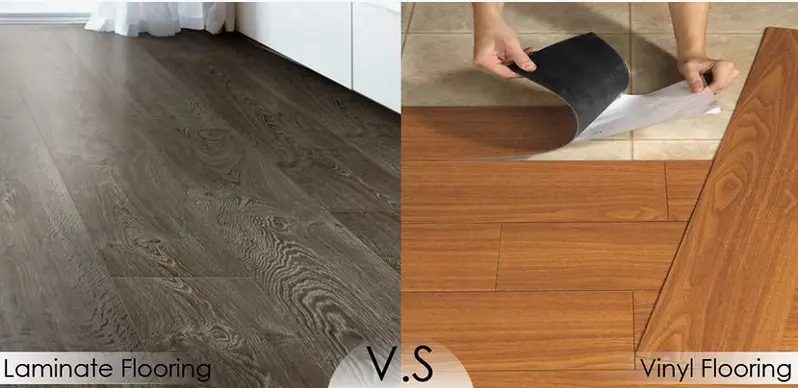
Choosing the right flooring can make a significant difference in the appearance, comfort, and maintenance of your home. Vinyl and laminate flooring are two popular options for homeowners who want the look of natural hardwood without choosing traditional solid wood flooring. Both offer a wide range of colors, patterns, and textures, but they differ in construction, water resistance, durability, installation, and long-term performance.
If you are comparing vinyl vs. laminate flooring, understanding these differences can help you select the right material for each room. Vinyl may be a better fit for areas where moisture is a concern, while laminate can appeal to homeowners who prefer a firm surface and realistic wood-look designs.
At Cyndi’s Floors N More, we understand that flooring decisions involve several factors, from appearance and material quality to installation requirements and budget. This guide compares vinyl and laminate flooring in detail so you can make an informed decision for your home.
What Is Vinyl Flooring?
Vinyl flooring is a synthetic flooring material made primarily from polyvinyl chloride (PVC). It is manufactured in different formats and designs to reproduce the appearance of hardwood, natural stone, and ceramic tile. Modern vinyl flooring offers a variety of surface textures, colors, and plank styles that work with different home interiors.
One of the most popular options is luxury vinyl plank (LVP), which is designed to resemble hardwood flooring. Luxury vinyl tile (LVT) is another option that typically replicates stone or ceramic tile designs. Sheet vinyl is also available for homeowners who prefer a continuous flooring surface with fewer seams.
Most vinyl flooring products contain multiple layers:
- Backing layer: Provides a base for the flooring and may include attached cushioning or underlayment.
- Core layer: Gives the plank or tile its structure and may be flexible or rigid, depending on the product.
- Design layer: Contains the printed image that creates the wood, stone, or tile appearance.
- Wear layer: A transparent protective surface that helps resist everyday scratches, stains, and wear.
Many luxury vinyl products are waterproof, making them suitable for kitchens, bathrooms, laundry rooms, and other areas where spills may occur. However, the waterproof performance of the complete floor depends on the product and correct installation.
Vinyl flooring is also available in different thicknesses, wear-layer ratings, and installation methods, giving homeowners several options when planning a flooring project.
What Is Laminate Flooring?
Laminate flooring is a multi-layer flooring product designed to recreate the appearance of natural wood, stone, and other materials. Unlike vinyl, traditional laminate flooring generally contains a wood-based core made from high-density fiberboard (HDF).
The decorative surface displays a printed image, while the protective top layer helps the flooring handle everyday foot traffic and surface wear.
Laminate flooring generally includes four main layers:
- Backing layer: Helps stabilize the plank and protect its underside.
- Core layer: Usually made from high-density fiberboard, providing structural support.
- Decorative layer: Displays the printed wood, stone, or tile pattern.
- Wear layer: Protects the surface against scratches, stains, and daily use.
Many laminate products use a click-lock installation system that allows individual planks to connect without applying adhesive across the entire floor.
One reason homeowners choose laminate is its realistic wood appearance. Some products feature embossed-in-register textures, where the surface texture follows the printed wood grain to create a more natural look and feel.
Traditional laminate can be affected by moisture because of its wood-based core. However, newer products include water-resistant and waterproof options. Always review the manufacturer’s specifications and installation requirements before choosing laminate for kitchens, bathrooms, or other moisture-prone areas.
Vinyl vs. Laminate Flooring: Key Differences
Although vinyl and laminate flooring can look similar, their construction and performance are different. Understanding these differences can help you determine which material is more suitable for your home.
| Feature | Vinyl Flooring | Laminate Flooring |
|---|---|---|
| Main material | Synthetic vinyl (PVC) | Wood-based fiberboard core |
| Water resistance | Many products are waterproof | Water-resistant and waterproof options available |
| Appearance | Wood, stone, and tile designs | Realistic wood, stone, and tile designs |
| Surface protection | Protective wear layer | Protective wear layer |
| Scratch resistance | Depends on wear layer and construction | Depends on AC rating and surface construction |
| Feel underfoot | Generally softer and more flexible | Generally firmer |
| Sound | May offer some sound absorption | Can sound hollow without suitable underlayment |
| Maintenance | Generally easy to clean | Requires attention to moisture |
| Installation | Click-lock, glue-down, or sheet | Commonly click-lock |
| Repair | Damaged planks may require replacement | Minor damage may be repairable; severe damage may require plank replacement |
| Best applications | Depends on product; waterproof options suit moisture-prone areas | Depends on product; popular in bedrooms and living spaces |
The right choice depends on your priorities. Vinyl is often selected for moisture resistance and easier cleaning, while laminate appeals to homeowners who want a firm flooring surface and detailed wood-look designs.
1. Water Resistance: Which Flooring Handles Moisture Better?
Water resistance is one of the most important differences between vinyl and laminate flooring. This factor becomes especially important when choosing flooring for kitchens, bathrooms, laundry rooms, and basements.
Vinyl Flooring and Water Exposure
Many luxury vinyl plank and luxury vinyl tile products are manufactured with waterproof materials. Their synthetic construction does not absorb water in the same way as traditional wood-based flooring.
This makes suitable vinyl products a practical choice for:
- Kitchens where spills and splashes are common
- Bathrooms exposed to regular moisture
- Laundry rooms where appliances may leak
- Entryways where wet shoes bring in water
- Basements where moisture protection is important
However, waterproof flooring does not automatically make the entire floor assembly waterproof. Water may still reach the subfloor through edges, seams, or improperly installed areas. Subfloor moisture and drainage conditions should also be considered.
Laminate Flooring and Water Exposure
Traditional laminate flooring contains a fiberboard core that can absorb moisture. If water enters the joints or remains on the floor for an extended period, the core may swell, buckle, or become permanently damaged.
Modern laminate products have improved water-resistance features. Some include treated edges, protective coatings, and locking systems designed to reduce water penetration. Certain products are also specifically rated as waterproof when installed according to the manufacturer’s instructions.
Before choosing laminate for a kitchen, bathroom, or laundry room, check whether the product is approved for that particular application.
Which Is Better?
Vinyl has an advantage because waterproof luxury vinyl options are widely available. However, waterproof laminate can also be suitable for certain moisture-prone spaces when the manufacturer permits it and the installation meets the required specifications.
2. Durability: Vinyl vs. Laminate Flooring
Both vinyl and laminate flooring are designed to handle everyday household activities. However, their durability depends on product construction, surface protection, installation quality, and maintenance.
How Durable Is Vinyl Flooring?
Vinyl flooring is designed to handle regular foot traffic, household spills, and everyday use. Its protective wear layer helps reduce surface damage from scratches and stains.
When comparing vinyl flooring products, consider:
- Wear-layer thickness
- Core construction
- Overall plank thickness
- Quality of the surface coating
- Manufacturer’s warranty
- Recommended residential or commercial use
A thicker wear layer generally provides more surface protection, but overall durability also depends on the core, backing, and installation.
Higher-quality luxury vinyl flooring can be a practical option for busy households with children, pets, and frequent foot traffic.
How Durable Is Laminate Flooring?
Laminate flooring has a protective surface layer that helps resist scratches, stains, and everyday wear. Its durability is often measured using an Abrasion Class (AC) rating.
Common laminate AC ratings include:
- AC1: Designed for light residential traffic.
- AC2: Suitable for moderate residential traffic.
- AC3: Designed for higher residential traffic.
- AC4: Suitable for heavy residential traffic and some commercial applications.
- AC5: Designed for demanding commercial environments.
A higher AC rating generally indicates greater resistance to surface abrasion. However, it does not automatically mean the flooring is waterproof or resistant to every type of impact.
Which Is More Durable?
Both materials can perform well when the correct product is selected. Vinyl offers an advantage in areas where moisture exposure is likely, while quality laminate can provide strong surface protection in busy, dry living spaces.
3. Scratch, Dent, and Impact Resistance
Scratches and dents are common concerns when choosing flooring, especially in homes with pets, children, furniture movement, and regular foot traffic.
Vinyl and laminate both have protective surface layers, but their performance can vary significantly between products.
Vinyl Flooring Scratch and Dent Resistance
The wear layer on vinyl flooring helps protect against scratches and everyday surface damage. However, vinyl is not completely scratch-proof.
Heavy furniture, sharp objects, pet claws, and dragging appliances can damage the surface. Some rigid-core vinyl products may also dent under concentrated weight if the flooring is not properly supported.
When shopping for vinyl, compare the wear-layer thickness and the manufacturer’s recommendations for your intended room.
Laminate Flooring Scratch and Dent Resistance
Laminate flooring is known for its protective top surface. Products with higher AC ratings are generally designed to handle more demanding foot traffic and surface abrasion.
However, heavy impacts can chip the edges or damage the decorative layer. Once the protective surface is deeply scratched or damaged, the affected area may be difficult to restore completely.
What Should Homeowners Choose?
For both materials, product quality matters more than simply choosing vinyl or laminate. Use furniture pads, floor protectors, and appropriate cleaning tools to reduce unnecessary damage.
4. Appearance and Design Options
Your flooring plays an important role in the overall appearance of your home. Fortunately, both vinyl and laminate offer a wide selection of designs that can complement different interior styles.
Vinyl Flooring Designs
Modern luxury vinyl flooring is available in styles that reproduce natural hardwood, stone, and ceramic tile.
Popular designs include:
- Natural oak and maple wood looks
- Gray and whitewashed wood patterns
- Dark wood finishes
- Stone-look vinyl tiles
- Wide-plank flooring designs
- Textured wood-grain surfaces
Some luxury vinyl products include embossed textures that add depth to the printed design. These options allow homeowners to achieve a wood-inspired appearance in rooms where moisture resistance is important.
Laminate Flooring Designs
Laminate flooring is also available in a variety of colors, textures, and patterns.
Common options include:
- Traditional oak finishes
- Walnut-inspired designs
- Rustic wood patterns
- Light and dark hardwood appearances
- Textured and embossed surfaces
- Stone-look laminate designs
Some premium laminate products feature embossed-in-register technology, where the texture follows the printed grain pattern.
Which Looks More Like Real Wood?
Both materials offer realistic designs. The final appearance depends on the product’s image quality, surface texture, plank dimensions, and finish. It is best to compare actual flooring samples rather than relying only on product photographs.
5. Comfort and Feel Underfoot
The way flooring feels when you walk or stand on it can influence your decision, particularly in rooms where you spend a lot of time.
How Does Vinyl Flooring Feel?
Vinyl flooring generally has a softer and more flexible feel than traditional laminate. Some products include attached cushioning or backing that provides additional comfort underfoot.
This can make vinyl appealing for kitchens, laundry rooms, and other spaces where homeowners spend time standing.
The level of comfort depends on the flooring’s thickness, core construction, and underlayment.
How Does Laminate Flooring Feel?
Laminate flooring generally has a firmer and more solid feel because of its dense fiberboard core. Some homeowners prefer this surface because it feels more similar to traditional hardwood.
The underlayment can also influence how laminate feels when walking across it.
Which Is More Comfortable?
Vinyl generally offers a softer feel, while laminate provides a firmer walking surface. Your preference and the specific product should guide your decision.
6. Noise and Sound Insulation
Flooring can affect the amount of sound produced when people walk across a room. This is particularly important in upstairs bedrooms, apartments, and homes with multiple levels.
Sound Performance of Vinyl Flooring
Vinyl flooring may help reduce some walking noise because of its flexible construction and backing materials. Products with attached underlayment can provide additional sound-dampening benefits.
However, not every vinyl product offers the same level of sound insulation.
Sound Performance of Laminate Flooring
Laminate flooring can produce a hollow or tapping sound when walked on, especially when installed over an unsuitable or uneven subfloor.
Using the correct underlayment can help reduce impact noise and improve the overall sound performance. Some laminate products also include attached underlayment.
Which Is Quieter?
Vinyl may offer a quieter walking experience, depending on its construction. However, the underlayment, subfloor, and installation method can make a significant difference for both flooring types.
7. Installation: Which Flooring Is Easier to Install?
Installation requirements can affect the overall flooring project, including preparation time, labor, and the final appearance.
Vinyl Flooring Installation
Luxury vinyl planks are commonly installed using a click-lock floating system. Other products require adhesive, while sheet vinyl uses different installation methods.
Before installation, the subfloor should be clean, dry, stable, and properly prepared. Uneven areas may need correction to prevent movement, gaps, or visible imperfections.
Common vinyl installation methods include:
- Click-lock installation: Individual planks connect through a locking system.
- Glue-down installation: Adhesive secures the flooring to the prepared subfloor.
- Loose-lay installation: Certain products are designed to stay in place through their weight, friction, or specific installation requirements.
- Sheet vinyl installation: Large continuous sheets are cut and installed to fit the room.
The correct method depends on the product and the manufacturer’s instructions.
Laminate Flooring Installation
Laminate flooring is commonly installed using a floating click-lock system. Individual planks connect to form a continuous surface over the recommended underlayment.
Proper installation involves:
- Preparing a clean and level subfloor.
- Checking moisture conditions.
- Installing the recommended underlayment.
- Allowing the required expansion gaps.
- Following the manufacturer’s plank installation pattern.
- Ensuring that plank joints connect properly.
Which Is Easier to Install?
Both click-lock vinyl and laminate flooring can be suitable for DIY projects. Vinyl planks are often lighter and easier to cut, while laminate planks may require more effort when cutting and fitting.
Professional installation can help prevent issues caused by poor subfloor preparation, incorrect spacing, and improperly connected planks.
8. Underlayment and Subfloor Requirements
Underlayment and subfloor preparation are important parts of a successful flooring installation. Even high-quality vinyl or laminate can develop problems when installed over an unsuitable surface.
Underlayment for Vinyl Flooring
Some vinyl flooring products include an attached underlayment, while others require a separate approved layer.
Depending on the product, underlayment can help with:
- Reducing walking noise
- Improving comfort
- Supporting the flooring system
- Providing an approved moisture barrier when specified
Not all vinyl flooring should be installed over additional padding. Excessive cushioning can affect the locking system and cause movement or joint damage.
Underlayment for Laminate Flooring
Laminate flooring commonly requires an appropriate underlayment unless one is already attached to the planks.
The right underlayment may help:
- Reduce impact noise
- Improve walking comfort
- Support the floating floor
- Provide moisture protection when specifically designed for the installation
A separate moisture barrier may be necessary over certain concrete subfloors, depending on the product and installation instructions.
Why Subfloor Preparation Matters
Before installing either flooring type, the existing surface should be checked for:
- Uneven areas
- Cracks or damage
- Moisture problems
- Loose flooring materials
- Dirt and debris
- Structural movement
The acceptable flatness and moisture limits vary by manufacturer. Correct preparation helps reduce the risk of gaps, movement, damaged joints, and premature flooring problems.
9. Cleaning and Maintenance Requirements
Both vinyl and laminate flooring are relatively easy to maintain, but they require different cleaning approaches.
How to Maintain Vinyl Flooring
Vinyl flooring generally requires simple, regular cleaning to maintain its appearance.
Recommended maintenance includes:
- Sweep or vacuum regularly to remove dust and dirt.
- Use a damp microfiber mop for routine cleaning.
- Clean spills promptly.
- Use cleaning products approved for vinyl flooring.
- Place protective pads under heavy furniture.
- Avoid abrasive cleaning tools that may damage the wear layer.
Always follow the manufacturer’s cleaning recommendations to protect the flooring surface.
How to Maintain Laminate Flooring
Laminate flooring should be protected from excessive moisture during cleaning.
Helpful maintenance practices include:
- Sweep or dry mop to remove loose dirt.
- Use a slightly damp microfiber mop when necessary.
- Wipe up spills as soon as possible.
- Avoid soaking the floor with water.
- Use laminate-approved cleaning products.
- Avoid abrasive pads and harsh chemicals.
- Follow the manufacturer’s recommendations for routine care.
Which Is Easier to Maintain?
Vinyl generally offers more flexibility when cleaning because many products tolerate damp mopping and moisture better than traditional laminate. However, both materials can remain attractive with regular cleaning and appropriate care.
10. Cost of Vinyl vs. Laminate Flooring
Budget is another important consideration when comparing vinyl and laminate flooring.
The total project cost depends on more than the price of the flooring material. Product quality, plank thickness, design, underlayment, subfloor preparation, installation method, and labor can all affect the final amount.
Vinyl Flooring Costs
Vinyl flooring is available in different price ranges, from basic sheet vinyl to premium luxury vinyl plank and tile.
Factors that can affect vinyl flooring costs include:
- Type of vinyl flooring
- Wear-layer thickness
- Core construction
- Plank or tile design
- Brand and product quality
- Installation requirements
- Subfloor preparation
Premium luxury vinyl products may cost more than basic options but can provide additional design features and surface protection.
Laminate Flooring Costs
Laminate flooring also comes in a wide range of prices.
Its cost may depend on:
- Plank thickness
- AC wear rating
- Surface texture
- Water-resistance features
- Brand and product quality
- Underlayment requirements
- Installation labor
Some laminate products are budget-friendly, while premium designs with advanced water protection and realistic textures may cost more.
Additional Flooring Installation Expenses
When planning a flooring project, remember to account for expenses beyond the material itself.
These may include:
- Removing existing flooring
- Subfloor repairs and leveling
- Underlayment or moisture barriers
- Installation labor
- Baseboards and trim
- Doorway and transition pieces
- Furniture moving, where applicable
Which Is More Affordable?
Neither flooring type is always cheaper. Compare the material quality, installation requirements, and total project cost before making a decision.
11. Lifespan: How Long Do Vinyl and Laminate Floors Last?
Flooring lifespan is an important consideration because replacing a floor can involve material costs, labor, furniture removal, and room preparation.
Both vinyl and laminate can last for many years, but their actual lifespan depends on product quality and how well they are maintained.
Vinyl Flooring Lifespan
The lifespan of vinyl flooring depends on its wear layer, core construction, installation quality, and daily use.
Higher-quality luxury vinyl products are generally designed to handle regular residential foot traffic. Products installed in busy entryways or kitchens may experience more wear than flooring in bedrooms.
To help vinyl flooring last longer:
- Clean dirt and debris regularly.
- Use protective pads under furniture.
- Avoid dragging heavy objects across the surface.
- Follow the manufacturer’s cleaning instructions.
- Address installation or subfloor problems promptly.
Laminate Flooring Lifespan
Laminate flooring can also provide years of residential use when properly installed and maintained.
Its lifespan depends on the AC rating, surface quality, moisture exposure, foot traffic, and maintenance routine.
To protect laminate flooring:
- Clean spills promptly.
- Avoid excessive water during cleaning.
- Use protective pads under furniture.
- Keep dirt and grit from scratching the surface.
- Follow the manufacturer’s maintenance recommendations.
Which Flooring Lasts Longer?
There is no universal winner. A high-quality vinyl or laminate product can last significantly longer than a lower-quality alternative.
Instead of comparing materials alone, review the manufacturer’s expected performance, residential warranty, wear specifications, and recommended installation conditions.
12. Can Vinyl and Laminate Flooring Be Repaired?
Accidents, furniture movement, and everyday wear can sometimes damage flooring. Understanding repair options before purchasing can help you plan for future maintenance.
Repairing Vinyl Flooring
Minor surface marks on vinyl may sometimes be addressed with manufacturer-approved repair products.
However, deeper scratches, cuts, or damaged locking edges may require replacement of the affected plank or tile.
Repair options depend on the installation method:
- Click-lock planks may be replaced by removing nearby planks or using an approved repair method.
- Glue-down vinyl tiles may be individually removed and replaced.
- Sheet vinyl may sometimes be patched, depending on the damage and product.
Repairing Laminate Flooring
Small scratches and surface marks may sometimes be improved using laminate repair kits, color-matched fillers, or repair markers.
However, swollen cores, broken edges, and significant water damage generally require replacing the affected planks.
Because laminate is commonly installed as a floating floor, accessing a damaged plank may require removing surrounding flooring, depending on its location and installation system.
Which Is Easier to Repair?
Neither material is always easier to repair. The damage location, flooring format, installation method, and availability of matching replacement planks all matter.
13. Environmental Impact and Indoor Air Quality
Environmental considerations are becoming increasingly important for homeowners selecting new flooring.
Vinyl and laminate are manufactured differently, so their environmental characteristics are not identical.
Vinyl Flooring and Environmental Considerations
Vinyl flooring is primarily made from synthetic materials, including PVC. Its production, disposal, and recycling options can vary depending on the manufacturer and product.
Some vinyl flooring products may release volatile organic compounds (VOCs), particularly after installation. These emissions can vary based on product composition, adhesives, and manufacturing standards.
Homeowners concerned about indoor air quality can look for flooring with recognized low-emission certifications and review the manufacturer’s product information.
Laminate Flooring and Environmental Considerations
Laminate flooring commonly uses wood-based fiberboard cores and synthetic surface materials.
Its environmental impact depends on the materials used, manufacturing processes, adhesives, and product disposal options.
Some laminate products are manufactured with recycled or responsibly sourced wood materials. Others may contain resins or adhesives that can contribute to indoor emissions.
What Should You Check Before Buying?
For either material, consider:
- Low-VOC or indoor air quality certifications
- Manufacturer information about material composition
- Product emissions testing
- Responsible sourcing information
- Recycling or disposal options
- Adhesive requirements
Neither flooring type is automatically the more environmentally friendly option. Product-specific certifications and manufacturing details provide a better basis for comparison.
14. Resale Value: Does Vinyl or Laminate Flooring Increase Home Value?
Homeowners planning future renovations or property sales may also consider how flooring affects a home’s overall appeal.
Vinyl and laminate can both improve the appearance of a property when the materials are selected and installed properly.
Vinyl Flooring and Home Resale
Quality luxury vinyl plank flooring can appeal to buyers who want attractive, low-maintenance flooring with moisture-resistant features.
A modern wood-look design in good condition may help make a home more appealing, particularly when installed consistently throughout suitable areas.
However, inexpensive vinyl products or visibly damaged flooring may not create the same impression.
Laminate Flooring and Home Resale
Laminate flooring can also improve the appearance of living spaces, especially when it features realistic wood patterns and a clean, well-maintained surface.
Buyers may appreciate its appearance and practical maintenance requirements. However, the overall effect depends on product quality, condition, and the expectations of buyers in the local market.
Which Is Better for Resale Value?
Neither vinyl nor laminate guarantees an increase in property value. Home resale appeal depends on the overall condition of the home, the quality of the renovation, buyer preferences, and comparable properties in the area.
If resale is a priority, choose a flooring design that complements the home’s interior and suits the needs of potential buyers.
15. Vinyl vs. Laminate Flooring for Radiant Floor Heating
Radiant floor heating systems use heating elements installed beneath the floor to warm the room. If your home has this system, check flooring compatibility before choosing vinyl or laminate.
Vinyl Flooring With Radiant Heating
Some luxury vinyl products are compatible with radiant heating systems. However, the manufacturer may specify maximum surface temperatures, installation methods, and underlayment requirements.
Excessive heat can affect certain flooring materials, adhesives, and locking systems.
Laminate Flooring With Radiant Heating
Many laminate flooring products can also be installed over approved radiant heating systems.
However, the flooring must meet the manufacturer’s temperature and installation requirements. Proper temperature control is important to help prevent excessive expansion, contraction, or other installation problems.
Which Is Better?
Both can be compatible with radiant floor heating, but neither should be selected without checking the product specifications. Confirm compatibility with the flooring manufacturer and heating system instructions before installation.
16. Which Flooring Is Better for Different Rooms?
The best flooring choice can change depending on the room and how it is used. Moisture exposure, foot traffic, cleaning requirements, and appearance should all be considered.
| Room | Possible Flooring Choice | Main Consideration |
|---|---|---|
| Kitchen | Waterproof vinyl or approved waterproof laminate | Spills and moisture |
| Bathroom | Suitable waterproof vinyl or approved waterproof laminate | Water exposure |
| Bedroom | Vinyl or laminate | Appearance and comfort |
| Living room | Vinyl or laminate | Style and daily traffic |
| Laundry room | Suitable waterproof vinyl or laminate | Appliance leaks and spills |
| Hallway | Either option | Foot traffic and surface protection |
| Basement | Suitable waterproof vinyl or laminate | Subfloor moisture conditions |
| Dining room | Vinyl or laminate | Cleaning and furniture movement |
The manufacturer’s installation requirements should always guide your final decision. In particular, waterproof flooring does not eliminate the need to investigate moisture coming from beneath the subfloor.
17. Pros and Cons of Vinyl Flooring
Before selecting vinyl flooring, consider its main advantages and limitations.
Advantages of Vinyl Flooring
- Many luxury vinyl products offer waterproof construction.
- Available in realistic wood, stone, and tile designs.
- Generally easy to clean and maintain.
- Suitable options are available for high-traffic areas.
- Offers different installation styles.
- Provides a softer feel than many traditional hard flooring products.
- Available in different price and quality ranges.
- Some products include attached underlayment.
Disadvantages of Vinyl Flooring
- Cannot be refinished like solid hardwood.
- Lower-quality products may scratch or dent more easily.
- Deep cuts or damaged planks may require replacement.
- Some adhesive-installed products can be difficult to remove.
- Subfloor preparation is important.
- Some products may emit VOCs.
- Recycling and disposal options can be limited.
18. Pros and Cons of Laminate Flooring
Laminate flooring also offers several benefits, but it has limitations that homeowners should understand.
Advantages of Laminate Flooring
- Offers realistic wood and stone appearances.
- Available in many colors and textures.
- Protective surfaces help resist everyday scratches.
- Commonly uses a convenient click-lock installation system.
- Requires relatively little routine maintenance.
- Provides a firm feel underfoot.
- Available in water-resistant and waterproof versions.
- Some products include attached underlayment.
Disadvantages of Laminate Flooring
- Traditional laminate is vulnerable to moisture damage.
- Damaged or swollen planks may need replacement.
- Excessive water during cleaning can cause problems.
- Cannot be refinished like solid hardwood.
- Some products can sound hollow without suitable underlayment.
- Repairing individual planks may require removing surrounding flooring.
- Product quality and moisture protection vary between manufacturers.
19. Vinyl vs. Laminate Flooring: Which Is Better for Your Home?
The better choice depends on your priorities, room conditions, and preferred flooring appearance.
Choose vinyl flooring if:
- You need flooring for moisture-prone areas.
- You want easier routine cleaning.
- Your household has children or pets.
- You prefer a softer feel underfoot.
- You want a wide selection of wood and stone designs.
- You want waterproof flooring options.
Choose laminate flooring if:
- You prefer a firm flooring surface.
- You want realistic wood-look designs.
- You are installing flooring in dry rooms.
- You want a range of textured finishes.
- You prefer a floating click-lock installation system.
- You want to compare products with different AC wear ratings.
There is no single winner for every home. A high-quality product from either category can be a good choice when it matches your room conditions and is installed correctly.
Find the Right Flooring for Your Home at Cyndi’s Floors N More
Choosing between vinyl and laminate flooring is easier when you understand how each option performs in everyday living spaces.
Whether you are considering luxury vinyl plank, vinyl tile, or laminate flooring, selecting the right product involves balancing appearance, moisture resistance, maintenance, and budget.
At Cyndi’s Floors N More, we help homeowners explore flooring options for their homes and remodeling projects. If you are planning a flooring update in Kingman, AZ, our team can help you consider different materials, styles, and options based on your project requirements.
Explore flooring options at Cyndi’s Floors N More and find a style that works for your home.
Frequently Asked Questions
1. Is vinyl flooring better than laminate flooring?
Vinyl flooring is generally better for moisture-prone areas because many luxury vinyl products are waterproof. Laminate flooring can be a good option for dry rooms where homeowners prefer a firm surface and realistic wood appearance. The best choice depends on your room conditions and flooring requirements.
2. Which lasts longer, vinyl or laminate flooring?
Both vinyl and laminate flooring can last for many years when properly selected, installed, and maintained. Their lifespan depends on product quality, installation, foot traffic, moisture exposure, and maintenance practices.
3. Is vinyl flooring completely waterproof?
Many luxury vinyl plank and luxury vinyl tile products are waterproof. However, installation quality is important because water can sometimes enter through seams and edges and reach the subfloor. Always check the manufacturer’s product specifications.
4. Can laminate flooring get wet?
Traditional laminate flooring can be damaged by excessive moisture because its core contains wood-based materials. Some newer products offer improved water resistance or waterproof features, but their specifications and installation instructions should be checked before use.
5. Is laminate flooring more scratch-resistant than vinyl?
Scratch resistance depends on the product’s wear layer and overall construction. Quality laminate flooring can offer strong surface protection, while higher-quality vinyl flooring also provides good resistance to everyday scratches. Neither option is completely scratch-proof.
6. Is vinyl flooring good for homes with pets?
Yes, many vinyl flooring products are suitable for homes with pets because they are easy to clean and offer good moisture resistance. Choosing a product with an appropriate wear layer can also help protect against everyday surface wear.
7. Does vinyl flooring feel softer than laminate?
Generally, yes. Vinyl flooring often has a more flexible and softer feel underfoot, while laminate provides a firmer surface. The difference depends on the product’s core construction and underlayment.
8. Can vinyl and laminate flooring be installed over existing floors?
Some vinyl and laminate products can be installed over certain existing flooring surfaces. However, the existing floor must meet the manufacturer’s requirements for stability, cleanliness, dryness, and flatness. Damaged or uneven flooring may require removal or preparation before installation.
9. Does vinyl flooring look like real hardwood?
Modern luxury vinyl plank flooring is available in realistic wood designs, including different grain patterns, colors, and textures. Higher-quality products can closely resemble natural hardwood while offering different maintenance and moisture-resistance benefits.
10. Which flooring is better for kitchens and bathrooms?
Waterproof vinyl flooring is generally a practical choice for kitchens and bathrooms because these rooms experience frequent spills and moisture. Waterproof laminate can also be considered when the manufacturer specifically approves it for the intended application.
11. Can vinyl or laminate flooring be refinished?
Neither traditional vinyl nor laminate flooring can generally be sanded and refinished like solid hardwood. Minor surface damage may be repairable with approved products, but severely damaged planks usually need replacement.
12. Does laminate flooring need underlayment?
Most laminate flooring systems require an appropriate underlayment unless the product already includes an attached layer. Underlayment can help with sound reduction, support, and moisture protection when specified by the manufacturer.
13. Is vinyl or laminate flooring better for basements?
Waterproof vinyl flooring is often a practical basement option because of its moisture resistance. However, the subfloor and any moisture issues must be addressed before installation. Certain waterproof laminate products may also be suitable when approved for basement use.
14. Does vinyl or laminate flooring increase home value?
Neither flooring type guarantees an increase in home value. Quality materials, professional installation, attractive designs, and good maintenance can improve the overall appearance of a property and its appeal to potential buyers.
15. Can vinyl and laminate flooring be installed with radiant floor heating?
Some vinyl and laminate products are compatible with radiant floor heating systems. However, homeowners should check the manufacturer’s maximum temperature limits, installation instructions, and underlayment requirements before installation.