
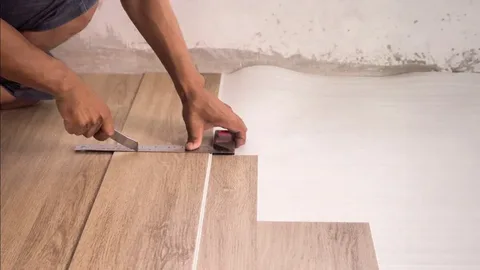
Replacing old flooring can feel like a big project. Many homeowners wonder if they can save time, money, and effort by installing new flooring directly over what’s already there. The short answer is yes—flooring can sometimes be installed over existing floors—but only in the right conditions. Whether this approach works depends on the type of flooring you choose, the condition of your current floor, and how well the surface is prepared.
This guide explains when installing flooring over existing floors makes sense, when it doesn’t, and what you should consider before making a decision. Understanding these factors can help you avoid costly mistakes and ensure your new floors last for years.
Understanding What “Installing Over Existing Floors” Really Means
Installing flooring over existing floors means placing a new flooring material on top of the old one instead of removing it down to the subfloor. This method is commonly used with modern flooring systems, especially floating floors that do not require nails or glue.
However, this does not mean you can install new flooring over any surface without preparation. The existing floor essentially becomes the base layer, so its condition directly affects the performance and lifespan of the new flooring. If the old floor is uneven, damaged, or unstable, those problems will likely transfer to the new surface.
When Installing Flooring Over Existing Floors Is a Good Option
In many homes, installing new flooring over old flooring works well and provides excellent results. This is especially true when the existing floor is solid, level, and free of moisture issues. Hard surface floors such as tile, laminate, vinyl, or hardwood often make suitable bases for new flooring installations.
If your current floor is firmly attached, has no major cracks or movement, and sits evenly across the room, it can support a new layer of flooring. In these situations, installing over existing floors can significantly reduce installation time and avoid the mess that comes with demolition.
This method is often chosen during renovations when homeowners want a faster update without tearing apart their home.
When You Should Not Install Flooring Over Existing Floors
Although installing over existing flooring can be convenient, there are many cases where it is not recommended. One of the biggest reasons to avoid this approach is structural or moisture-related problems. If the current floor has water damage, mold, soft spots, or noticeable uneven areas, these issues should be addressed before installing anything new.
Carpet is another surface that almost always needs to be removed. Carpet and padding compress under weight, which makes them unstable bases for new flooring. Installing over carpet can cause shifting, sagging, and premature failure of the new floor.
Floor height is another important consideration. Adding a new layer of flooring increases the overall height of the floor, which can interfere with doors, appliances, baseboards, and transitions between rooms. In some cases, these adjustments can be costly and inconvenient.
Flooring Types That Work Best Over Existing Floors
Not all flooring materials are suitable for installation over old floors. Some products are designed specifically for this purpose, while others require direct attachment to the subfloor.
Vinyl plank flooring is one of the most popular choices for installing over existing floors. It is thin, flexible, and moisture-resistant, making it ideal for many situations. Vinyl planks can be installed over tile, laminate, and even hardwood, as long as the surface underneath is smooth and level.
Laminate flooring is another common option. It typically uses a floating installation system, which allows it to sit on top of existing hard surfaces. However, laminate is less forgiving than vinyl when it comes to uneven surfaces, so proper leveling is essential.
Engineered hardwood can sometimes be installed over existing flooring, depending on the manufacturer’s guidelines and the condition of the surface below. Solid hardwood flooring, on the other hand, usually requires removal of the old floor because it needs to be nailed or glued directly to the subfloor.
The Importance of Floor Condition and Preparation
One of the biggest misconceptions is that installing over existing flooring means skipping preparation. In reality, surface preparation is still critical. The existing floor must be clean, dry, and level to support the new flooring properly.
Even small imperfections can cause noticeable problems later, such as squeaking, movement, or visible seams. Professionals often check for high spots, low areas, loose tiles, or damaged sections before installation. These areas may need to be repaired, filled, or sanded to create a smooth base.
Moisture testing is also important, especially in basements, kitchens, and bathrooms. Trapped moisture can damage new flooring and lead to mold growth if not addressed beforehand.
Cost Benefits of Installing Over Existing Floors
One of the biggest advantages of installing flooring over existing floors is cost savings. Removing old flooring can be labor-intensive and expensive, especially if the materials need special disposal. By skipping demolition, homeowners can reduce labor costs and shorten project timelines.
This approach also minimizes disruption. There is less dust, noise, and debris, making it easier to stay in the home during the project. For many homeowners, this convenience is a major deciding factor.
However, it’s important to remember that saving money upfront should not come at the expense of long-term performance. If the existing floor has issues, addressing them properly is usually more cost-effective than dealing with future repairs.
Potential Drawbacks You Should Consider
Despite the benefits, installing over existing flooring is not always the best solution. One drawback is the potential for reduced floor lifespan. If the base layer is not perfectly stable, the new flooring may wear out faster or develop problems over time.
Another concern is warranties. Many flooring manufacturers have specific installation requirements, and failing to follow them can void the warranty. This often includes guidelines about acceptable subfloor conditions and installation methods.
There is also the issue of transitions between rooms. Adding height to one floor may create uneven transitions to adjacent areas, which can affect both appearance and safety.
Subfloor Issues Still Matter
Even when installing over existing floors, the subfloor beneath everything still plays a critical role. If the subfloor has structural problems, installing new flooring on top of old flooring will not fix them.
Professionals often assess the entire floor system, not just the visible surface. This includes checking for sagging, movement, or moisture in the subfloor. Addressing these issues early helps ensure a stable and long-lasting installation.
Is DIY Installation a Good Idea?
Some homeowners consider installing flooring over existing floors as a DIY project. While many modern flooring systems are designed to be user-friendly, mistakes can be costly. Incorrect leveling, poor surface preparation, or ignoring moisture issues can lead to problems that are difficult to fix later.
Professional installers have the experience and tools to evaluate whether your existing floor is suitable. They can also recommend the best flooring material for your specific situation and ensure the installation meets manufacturer standards.
For larger areas or high-traffic spaces, professional installation is often the safer choice.
Special Considerations for Different Rooms
Different rooms in the home present different challenges. Kitchens and bathrooms require special attention due to moisture exposure. Installing over existing floors in these areas is possible, but only with moisture-resistant materials and proper sealing.
Basements require extra care because moisture can come up through the slab. Even if the existing floor looks fine, moisture testing is essential before installing new flooring on top.
Living rooms and bedrooms are usually easier spaces for this method, as long as the existing floor is stable and level.
How Installing Over Existing Floors Affects Home Value
New flooring can significantly improve a home’s appearance and value. Installing over existing floors can still provide this benefit if done correctly. Clean, modern flooring improves buyer appeal and can make spaces feel updated and well-maintained.
However, poorly installed flooring or noticeable height differences can have the opposite effect. That’s why proper planning and professional guidance are important, especially if you plan to sell your home in the future.
Final Thoughts: Is Installing Over Existing Flooring Right for You?
Installing flooring over existing floors can be a smart and practical solution in the right circumstances. It can save time, reduce costs, and minimize disruption while still delivering beautiful results. However, it is not a one-size-fits-all solution.
The condition of your current floor, the type of new flooring you choose, and proper preparation all play a critical role in success. When in doubt, a professional evaluation can help you make the best decision for your home.
Taking the time to do it right ensures your new flooring looks great, performs well, and lasts for years to come.